GoBeyondia Atlas 🗺️ South-East Asia 🗾
Sri Lanka: An island where time slows, and presence returns.
Sri Lanka in 30 seconds
Sri Lanka doesn’t rush you. It meets you where you are. Trains move slowly through tea hills, waves rise without urgency, and ancient cities sit in calm patience. Life here is layered — spiritual, natural, and deeply human — without needing to explain itself. This is a place where smiles are unforced, rituals are lived, and the land feels aware of those who walk it. You don’t come to conquer Sri Lanka. You arrive, observe, and gradually soften. Sri Lanka doesn’t change you dramatically. It reminds you how it feels to be fully present.
Evoke – Why You Visit Sri Lanka
You come to Sri Lanka because you need compression — not more experiences but deeper ones. You’ve been spreading thin across too many countries, too many bucket lists, too many surface-level encounters. You need an island small enough to hold in your hands and rich enough to hold your attention completely. A place that gives you temples, mountains, jungle, and ocean in a single day without trying.
Explore – How You Experience Sri Lanka
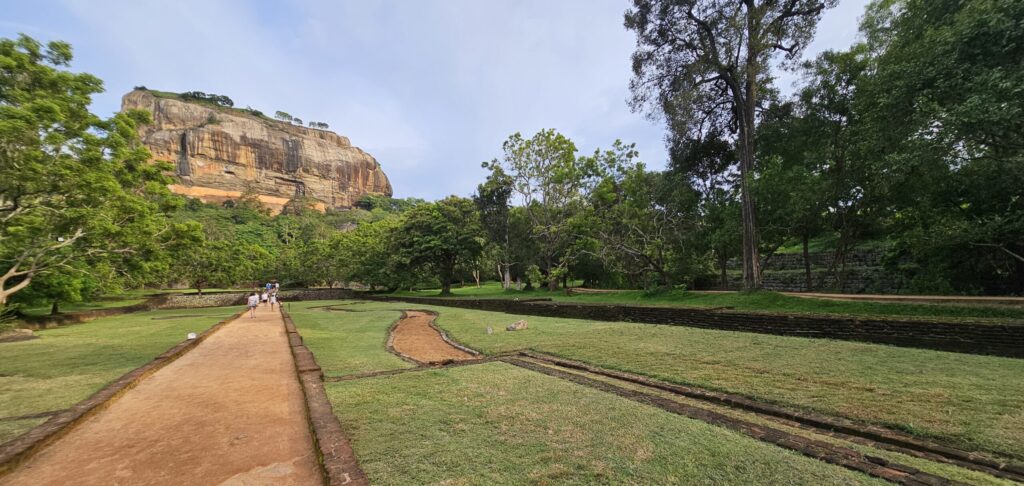
Climb Sigiriya at first light and stand on top of a rock fortress built by a king who murdered his father and feared the sky. Take the train through the hill country and watch tea plantations cascade below you in a green so vivid it feels manufactured — it isn’t. Eat rice and curry with your hands at a roadside spot where the sambol burns and the dhal soothes and the combination makes you close your eyes. Walk through Galle Fort at sunset where Dutch colonial walls meet the Indian Ocean and Sri Lankan families fly kites in the gap. Watch stilt fishermen balance on poles in the surf at Weligama and realize they’ve been doing this long before anyone called it ‘authentic.’
Evolve – Who You Become in Sri Lanka
You leave Sri Lanka recalibrated on what ‘enough’ means. You stop needing the biggest country, the longest trip, the most stamps. The island taught you that depth doesn’t require scale — that a place the size of West Virginia can contain more transformation than a continent, if you’re paying attention.
Your practical guide to Egypt starts bellow 👇
🕰️ Sri Lanka Historical Backdrop
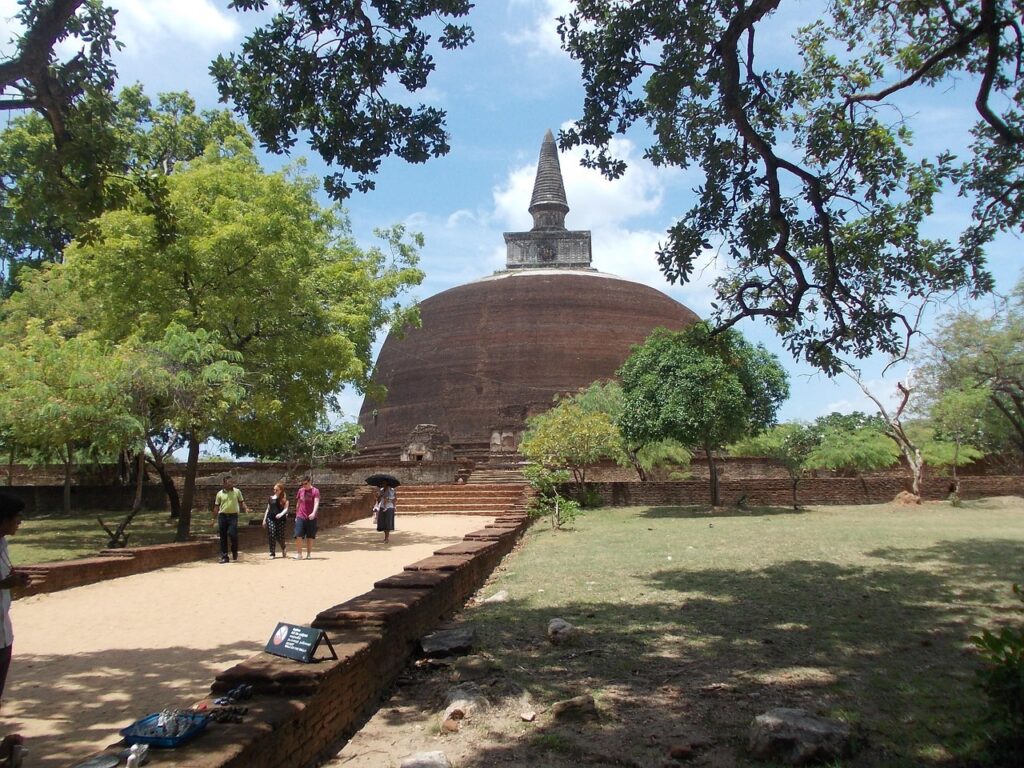
Sri Lanka’s history is a captivating tapestry woven with threads of ancient Buddhist kingdoms, colonial legacies, and enduring cultural resilience. From the majestic rock fortress of Sigiriya and the sacred tooth relic in Kandy to the colonial charm of Galle and the lush tea plantations shaped by British influence, Sri Lanka has been a vital crossroads of trade and spirituality for millennia. Its story is told in the intricate carvings of its temples, the serene smiles of its Buddha statues, the vibrant saris of its people, and the timeless rhythms of its daily life. Through periods of imperial splendor, colonial rule, and modern challenges, what endures is an unparalleled dedication to peace, rich cultural heritage, and a deep connection to the island’s natural bounty. This is a land where every ancient stupa, every rolling tea field, and every crashing wave whispers tales of a civilization continually embracing harmony and profound transformation.
🌟 Sri Lanka Local Experiences
Beyond Sri Lanka’s iconic sites, discover its soul in the simple ritual of sharing a cup of Ceylon tea on a hill country veranda, the meditative serenity of an Ayurvedic wellness treatment, or the exhilarating thrill of spotting an elephant herd in the wild. Experience the vibrant symphony of a local market, savoring tropical fruits and aromatic spices, or witness the profound devotion during a temple ritual. These are the textures, shared moments, and profound connections that reveal Sri Lanka’s unique spirit, inviting you to connect with its enduring serenity and vibrant authenticity.
🌄 Sri Lanka Natural Wonders
- Sigiriya Rock Fortress: An ancient palace and fortress complex built atop a massive rock column, a geological and historical marvel.
- Mirissa Beach: Famous for its crescent-shaped sandy beach and as a prime spot for whale and dolphin watching.
- Ella Rock & Little Adam’s Peak: Iconic hiking destinations in the scenic hill country, offering breathtaking panoramic views.
- Nine Arch Bridge (Ella): A stunning colonial-era railway bridge nestled amidst lush tea plantations.
- Sinharaja Forest Reserve: A UNESCO World Heritage site, one of the last remaining undisturbed rainforests in Sri Lanka, rich in biodiversity.
🏙️ Sri Lanka Must-See Cities
- Colombo: (Capital) A bustling port city blending colonial architecture with modern skyscrapers, vibrant markets, and diverse cuisine. (Urban, Coastal, Dynamic)
- Kandy: The cultural capital of Sri Lanka, home to the sacred Temple of the Tooth Relic and surrounded by lush hills. (Cultural, Spiritual, Hill Capital)
- Galle: A charming coastal city with a UNESCO-listed Dutch Fort, cobblestone streets, and boutique shops. (Colonial, Historic, Coastal)
- Nuwara Eliya: “Little England,” a cool hill station renowned for its vast tea plantations and colonial bungalows. (Tea Country, Scenic, Cool)
- Jaffna: The vibrant capital of the Northern Province, offering a unique Tamil culture, Hindu temples, and a distinct culinary scene. (Northern, Cultural, Unique)
🏞️ Sri Lanka National Parks & Nature Reserves
- Yala National Park: Famous for its high density of leopards, elephants, and diverse wildlife.
- Udawalawe National Park: Renowned for large herds of elephants and abundant birdlife, often compared to an African savannah.
- Wilpattu National Park: Sri Lanka’s largest and oldest national park, known for its leopard sightings and natural lakes.
- Minneriya National Park: Famous for “The Gathering” of elephants during the dry season.
🏛️ UNESCO World Heritage Sites
- Ancient City of Polonnaruwa — Second ancient capital of Sri Lanka, with well-preserved ruins.
- Ancient City of Sigiriya — Iconic rock fortress with frescoes and water gardens.
- Sacred City of Kandy — Home to the Temple of the Tooth Relic.
- Old Town of Galle and its Fortifications — A remarkably preserved 17th-century colonial fort.
- Sinharaja Forest Reserve — A biodiversity hotspot and last viable area of primary tropical rainforest.
- Central Highlands of Sri Lanka — Includes Horton Plains National Park and Knuckles Mountain Range, known for cloud forests and biodiversity.
- Rangiri Dambulla Cave Temple — A cave monastery with magnificent Buddha images and rock paintings.
- For a complete list and more details, visit the official UNESCO World Heritage Centre for Sri Lanka.
🖼️ Sri Lanka Museums & Galleries
- National Museum of Colombo: Sri Lanka’s largest museum, showcasing the island’s cultural and natural heritage.
- Colombo Dutch Museum: Housed in a colonial mansion, depicting the Dutch colonial period in Sri Lanka.
- Ceylon Tea Museum (Kandy): Explores the history of Ceylon tea and its pioneers.
- Maritime Archeology Museum (Galle): Located within Galle Fort, displaying artifacts from shipwrecks.
🎉 Sri Lanka Festivals & Celebrations
- Kandy Esala Perahera: (July/August) One of Asia’s most magnificent Buddhist festivals, featuring decorated elephants, dancers, and drummers.
- Vesak Poya: (May) Celebrates the birth, enlightenment, and passing of Lord Buddha with elaborate lantern displays and religious observances.
- Sinhala and Tamil New Year (Aluth Avurudda): (April) Celebrated nationwide with traditional rituals, special foods, and family gatherings.
- Galle Literary Festival: (January) An internationally recognized literary event held in the historic Galle Fort.
🧽 How to Arrive
- ✈️ By Air
- Main International Airports: Bandaranaike International Airport (CMB) (Colombo).
- Airlines offering regular connections (examples, check for current routes): SriLankan Airlines, Emirates, Qatar Airways, Turkish Airlines, British Airways, KLM, Lufthansa, AirAsia, IndiGo.
- For comprehensive flight search, use: Skyscanner, Google Flights.
- 🚆 By Rail
- International Rail Connections: No international rail connections.
- Key Domestic Lines and Scenic Trains: The Sri Lanka Railways network offers picturesque journeys, most famously the scenic train ride through the hill country from Kandy to Ella, renowned for its breathtaking views.
- 🚗 By Road
- Border Crossings: Not applicable due to Sri Lanka being an island nation.
- Toll Info: A few expressways have tolls.
- Best Self-Drive Routes: While self-driving is possible with an international driving permit and local endorsement, hiring a driver is common due to varying road conditions and traffic. Popular routes include the coastal roads and the Kandy-Ella scenic drive. Driving is on the left.
📶 Stay Connected
- SIM Cards & Telecom
- Top Providers: Dialog Axiata, Mobitel, Hutch.
- Tourist SIMs and Data Package Options: Prepaid SIM cards with attractive data and calling packages are widely available for tourists upon arrival at the airport.
- Where to buy: Easily purchased at Bandaranaike International Airport (dedicated kiosks in arrival hall), official operator stores, and some convenience stores. Bring your passport for registration.
- eSIM: Some major providers may offer eSIM activation. Check their official websites or inquire in-store for tourist eSIM plans.
🏨 Where to Stay
Sri Lanka offers a diverse range of accommodations, from colonial-era bungalows and luxury beach resorts to eco-lodges in the jungle and charming guesthouses.
- Notable Hotel Chains (local or international): Cinnamon Hotels & Resorts, Jetwing Hotels, Heritance Hotels, Anantara Hotels, Resorts & Spas, Marriott International, Hilton Worldwide, and numerous other international brands.
- Tips: Hill Country Retreats vs. Coastal Escapes:
- Hill Country: Opt for charming tea plantation bungalows or boutique hotels with stunning mountain views.
- Coastal: Choose from vibrant beach resorts, serene boutique villas, or surf camps.
- Unique Stays:
- Treehouses in Wildlife Reserves: Experience rustic stays amidst nature.
- Colonial Bungalows: Stay in beautifully preserved tea plantation bungalows.
- Eco-lodges in the Jungle: Immersive stays offering wildlife encounters.
⛳ Unique Finds
- Adventure & Wildlife Experiences
- Whale & Dolphin Watching (Mirissa): Witness magnificent marine life off the southern coast.
- Safari Game Drive (Yala/Udawalawe): Spot elephants, leopards, and diverse wildlife in national parks.
- Surfing Lessons (Unawatuna/Mirissa/Arugam Bay): Ride the waves on the island’s famous surf breaks.
- Hot Air Balloon Ride (Dambulla/Sigiriya): Enjoy breathtaking aerial views of the cultural triangle.
- Cultural & Culinary Experiences
- Tea Plantation Tour & Tasting: Explore a tea estate and learn about Ceylon tea production.
- Ayurvedic Wellness Retreat: Experience traditional Sri Lankan healing practices.
- Traditional Mask Carving Workshop (Ambalangoda): Learn about the intricate art of Sri Lankan mask making.
- Sri Lankan Cooking Class: Dive into the vibrant flavors of local cuisine, often focusing on curries.
🤝 Sri Lanka Cultural Guidance
- Respect for Buddhism: Buddhism is central to Sri Lankan culture. Dress modestly when visiting temples (shoulders and knees covered), remove shoes, and never turn your back on a Buddha statue when taking photos.
- Greetings: A slight bow with palms pressed together ( Ayubowan ) is a traditional greeting, though a smile and “hello” are also common.
- Head and Feet Etiquette: Never touch someone’s head. Do not point your feet at a person or a Buddha image.
- Tipping Norms: Tipping is appreciated for good service. A service charge (10%) is often added to restaurant bills; if not, 10% is customary. For drivers, guides, and porters, tips are expected.
- Food Etiquette: Eating with your right hand is common in traditional settings. Always wash your hands before and after eating.
- Basic Phrases (Sinhala / Tamil):
- Hello: “Ayubowan” (Sinhala), “Vanakkam” (Tamil)
- Thank you: “Istuti” (Sinhala), “Nandri” (Tamil)
- Please: “Karunakara” (Sinhala), “Dayavu Seithu” (Tamil)
- Excuse me/Sorry: “Samawenna” (Sinhala), “Mannikkavum” (Tamil)
- Do you speak English?: “Ingreesi katha karanna puluwan da?” (Sinhala), “Ungalukku Āṅkilam tēriyumā?” (Tamil)
🛂 Sri Lanka Entry & Visa Requirements
Sri Lanka generally requires an Electronic Travel Authorization (ETA) or a visa for most foreign visitors.
- ETA: Citizens of many countries, including the US, UK, EU, Australia, and New Zealand, can obtain an ETA online prior to arrival for short stays (typically 30 days) for tourism or transit.
- Visa required for: Citizens from countries not eligible for ETA, or for longer stays.
- Official Source: For the most current and specific visa information based on your nationality, always consult the official website of the Department of Immigration & Emigration, Sri Lanka or your country’s nearest Sri Lankan Embassy/Consulate.
💰 Practical Essentials
- Currency: Sri Lankan Rupee (LKR).
- Electricity: Primarily Type D (three round pins in a triangular pattern) and Type G (three rectangular pins in a triangular pattern) sockets. Type M is also sometimes found. Voltage is 230V at 50Hz. A universal adapter is highly recommended.
- Taxes: A Value Added Tax (VAT) is applied to most goods and services. A Nation Building Tax (NBT) may also apply.
- Safety: Sri Lanka is generally safe for tourists. Be mindful of petty crime (pickpocketing) in crowded areas and tourist scams. Exercise caution when swimming in the ocean, as currents can be strong. Always respect wildlife. For specific advisories, check your government’s travel warnings, e.g., US Department of State Travel Advisories for Sri Lanka.
- Health: Dengue fever is present; take mosquito precautions. Consult your doctor for recommended vaccinations.
✨ Bonus Tip
To truly embrace Sri Lanka, slow down to the island’s tranquil pace. Engage with a local tea picker, meditate in an ancient temple, or simply savor the quiet beauty of a sunset over the Indian Ocean. It’s in these moments of serene connection and mindful immersion that Sri Lanka’s profound spiritual essence and your own evolving perspectives truly reveal themselves.
🔗 Featured Links
- Official Resources:
- National Tourism Board: Sri Lanka Tourism Development Authority
- Safety & Travel Advisories: Your Country’s Government Travel Advisory for Sri Lanka
- Digital Nomad Info: Sri Lanka has launched a Digital Nomad Visa program. Consult official Sri Lankan immigration sites for details.
🔍 Related GoBeyondia Stories
- Sri Lanka: Where Ancient Souls Meet Ocean Swells
- Discover the HIDDEN Wonders of Sri Lanka
- What Lies Hidden in Sri Lanka’s Jungle Temples?

Beyondia
Trusted Travel CompanionReal digital nomad. I travel. I learn. I grow.
What about you? Where are you going?