GoBeyondia Atlas 🗺️ North-America Caribbean 🗾
Dominican Republic: Energy, coastline, and culture shaped by music and sun.
Dominican Republic in 30 seconds
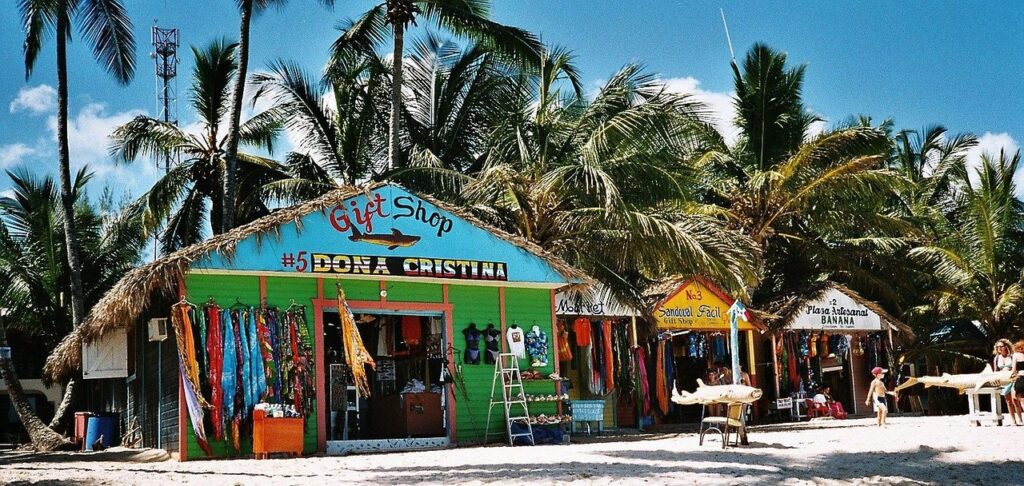
The Dominican Republic is movement. Merengue drifts through streets, waves meet white sand with steady rhythm, and colonial architecture anchors Santo Domingo in layered history. But beyond resorts, there are mountains, rainforests, and communities built on resilience and warmth. This is not just a beach destination. It’s a country where celebration and everyday life blend seamlessly.
Evoke – Why You Visit Dominican Republic
You come to the Dominican Republic because your body has stopped moving. Not exercise — movement. Rhythm. The instinctive response to music that every child has and every adult has been trained out of. You’ve been living from the neck up and your body has become a vehicle for your brain instead of a partner. You need a country where merengue isn’t a genre, it’s a pulse.
Explore – How You Experience Dominican Republic
Step off the plane and hear it immediately — the güira and tambora in the airport, in the taxi, in the lobby. Don’t resist. Eat mangú for breakfast and feel a dish so simple and so satisfying it makes your usual morning routine look absurd. Walk the Zona Colonial in Santo Domingo where the first European streets in the Americas still hold the footsteps of Columbus and the ghosts of the Taíno. Drive north to the Samaná peninsula and watch humpback whales breach in water so blue it looks digital. Dance merengue at a colmado — a corner store that becomes a dance floor at sundown — and discover muscles in your hips you forgot you had.
Evolve – Who You Become in Dominican Republic
You leave the Dominican Republic back in your body. You move differently — looser, less self-conscious, more responsive to rhythm. You stop treating your body as an optimization project and start treating it as an instrument. The Dominicans taught you that the distance between hearing music and dancing to it is a choice, and the right choice is always shorter than you think.
Your practical guide to Dominican Republic starts bellow 👇
🕰️ Dominican Republic Historical Backdrop
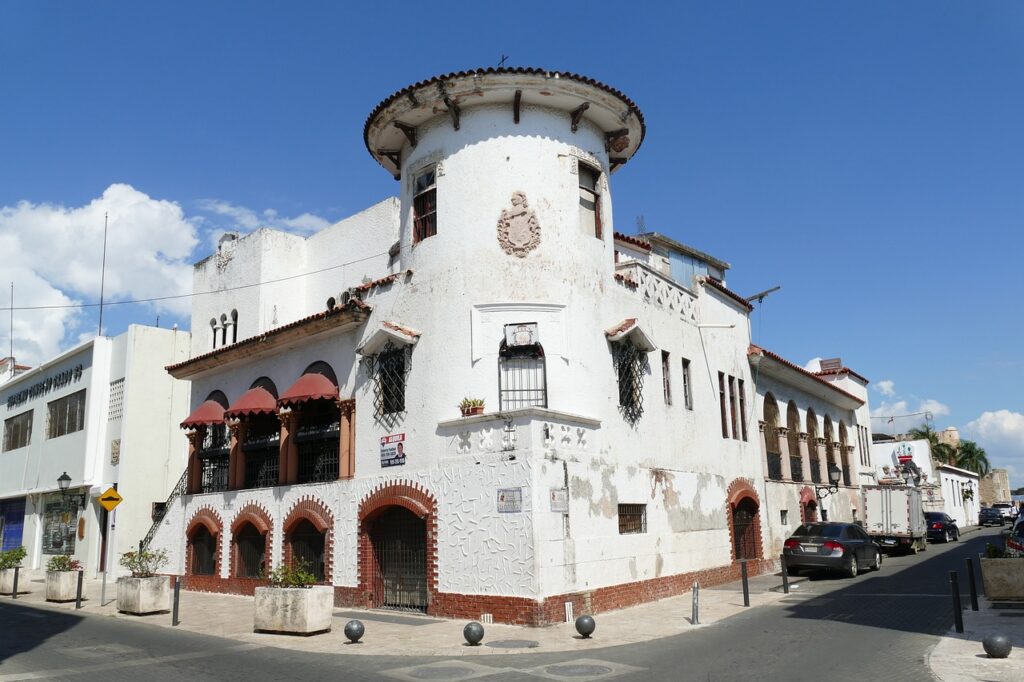
The Dominican Republic’s history is a vibrant and complex tapestry, beginning with the indigenous Taíno people and forever changed by the arrival of Christopher Columbus in 1492. As the site of the first permanent European settlement in the Americas, its capital, Santo Domingo, became the cradle of Spanish colonization in the New World. Its story is one of pirates and plantations, a long struggle for independence from Spain, Haiti, and the United States, and the resilience of a people forging their own identity. This history is etched into the cobblestone streets of the Zona Colonial, the ruins of the first cathedrals and universities in the Americas, the rhythms of merengue and bachata, and the enduring passion for baseball. Through centuries of change, what endures is a rich Afro-Caribbean-European cultural fusion, a deep sense of national pride, and an infectious, joyful spirit.
🌟 Dominican Republic Local Experiences
Beyond its famous all-inclusive resorts, discover the Dominican Republic’s soul in the pulsating beat of a local colmado (corner store/bar) where the community gathers, the simple pleasure of sipping a Presidente beer on a sun-drenched beach, or the rich aroma of freshly roasted coffee from a mountain plantation. Experience the passion of a winter league baseball game (beisbol), learn to dance the sensual bachata, or share a hearty plate of sancocho (a traditional stew) with a local family. These are the textures, shared moments, and profound connections that reveal the Dominican Republic’s unique spirit, inviting you to connect with its enduring warmth and vibrant zest for life.
🌄 Dominican Republic Natural Wonders
- The 27 Waterfalls of Damajagua: A thrilling eco-adventure where you can climb, jump, and slide down a series of spectacular waterfalls and natural pools.
- Saona Island (Isla Saona): A quintessential Caribbean paradise island within the Eastern National Park, known for its pristine beaches, turquoise waters, and abundant palm trees.
- Los Haitises National Park: A stunning coastal and marine park characterized by its dramatic karst formations (mogotes), lush mangrove forests, and caves adorned with Taíno pictographs.
- Pico Duarte: The highest peak in the Caribbean, offering a challenging multi-day trek for serious hikers through diverse alpine ecosystems.
- Lake Enriquillo (Lago Enriquillo): A hypersaline lake below sea level, home to a large population of American crocodiles and various species of iguanas.
- Bahía de las Águilas: A breathtakingly beautiful and remote 8-km stretch of pristine white-sand beach in Jaragua National Park, considered one of the most beautiful in the world.
🏙️ Dominican Republic Must-See Cities & Towns
- Santo Domingo: (Capital) Home to the UNESCO-listed Colonial City (Zona Colonial), the oldest European city in the Americas, with a vibrant mix of history, culture, and nightlife. (Historic, Urban, Cultural)
- Punta Cana: The country’s premier resort destination, famous for its long stretches of white-sand beaches, turquoise waters, and world-class all-inclusive resorts. (Beach, Resort, Leisure)
- Puerto Plata: A historic coastal city on the “Amber Coast,” known for its Victorian architecture, the Mount Isabel de Torres cable car, and adventure sports. (Coastal, Adventure, Historic)
- Samaná Peninsula: A lush, green peninsula known for its secluded beaches, coconut plantations, waterfalls, and as a primary hub for humpback whale watching. (Nature, Eco-Tourism, Coastal)
- Santiago de los Caballeros: The country’s second-largest city, a bustling hub in the fertile Cibao Valley, known as the heart of the nation’s cigar and rum production. (Inland, Cultural, Industrial)
🏞️ Dominican Republic National Parks & Nature Reserves
- Parque Nacional del Este (Eastern National Park): A UNESCO World Heritage site, protecting the forests and marine ecosystems of the southeastern coast, including Saona Island.
- Parque Nacional Los Haitises: A protected virgin forest with unique karst topography and rich biodiversity.
- Parque Nacional Jaragua: Part of a UNESCO Biosphere Reserve, a dry forest ecosystem with stunning beaches like Bahía de las Águilas.
- Valle Nuevo National Park: A high-altitude protected area often called the “Dominican Alps,” known for its pine forests and cool temperatures.
🏛️ UNESCO World Heritage Sites
- Colonial City of Santo Domingo — The site of the first cathedral, hospital, customs house, and university in the Americas, laid out in a grid pattern that became a model for other New World towns.
- For a complete list and more details, visit the official UNESCO World Heritage Centre for the Dominican Republic.
🖼️ Dominican Republic Museums & Galleries
- Museo de las Casas Reales (Santo Domingo): Housed in the former governmental palace, this museum chronicles the history of the colonial era.
- Amber Museum (Puerto Plata): Showcases a remarkable collection of Dominican amber, some containing fossilized insects and plants.
- Centro León (Santiago): A major cultural center with impressive collections of Dominican art, history, and anthropology.
- Kahkow Experience (Santo Domingo): An interactive museum where you can learn about the history of cacao and even make your own chocolate bar.
🎉 Dominican Republic Festivals & Celebrations
- Carnival: (February) The most vibrant celebration in the country, with spectacular parades and colorful, demonic diablo cojuelo costumes, especially in La Vega and Santo Domingo.
- Festival Presidente: (October, biannually) The largest music festival in the Caribbean, featuring top Latin music stars.
- Merengue & Bachata Festivals: (Summer) Festivals in Santo Domingo and other cities celebrate the nation’s two most famous musical genres.
- Restoration Day (Día de la Restauración): (August 16) A major public holiday celebrating the country’s second independence from Spain.
🧽 How to Arrive
- ✈️ By Air
- Main International Airports: Punta Cana International Airport (PUJ), Las Américas International Airport (SDQ) (Santo Domingo), Gregorio Luperón International Airport (POP) (Puerto Plata).
- Airlines offering regular connections (examples, check for current routes): JetBlue, American Airlines, Delta Air Lines, United Airlines, Air Canada, Air France, Iberia, Copa Airlines.
- For comprehensive flight search, use: Skyscanner, Google Flights.
- 🚆 By Rail
- International Rail Connections: None.
- 🚗 By Road
- Border Crossings: The Dominican Republic shares a land border with Haiti.
- Toll Info: Major highways have tolls, which are payable in cash (Dominican Pesos).
- Best Self-Drive Routes: The country has a modern highway system connecting major tourist areas. Driving is on the right.
📶 Stay Connected
- SIM Cards & Telecom
- Top Providers: Claro, Altice.
- Tourist SIMs and Data Package Options: Prepaid SIM cards with tourist data packages are affordable and readily available.
- Where to buy: Easily purchased at airports upon arrival and at official operator stores in towns and malls. Bring your passport for registration.
- eSIM: Available from major providers.
🏨 Where to Stay
The Dominican Republic is famous for its vast selection of all-inclusive resorts, but also offers luxury boutique hotels, eco-lodges, and charming guesthouses.
- Notable Hotel Chains (local or international): Meliá Hotels International, Barceló Hotel Group, Marriott International, Hilton Worldwide, and local luxury brands like Casa de Campo.
- Tips: All-Inclusive vs. Boutique:
- Punta Cana/Bávaro: The heart of the all-inclusive resort experience, offering endless amenities on stunning beaches.
- Santo Domingo/Las Terrenas: Opt for a boutique hotel in a historic building or a charming beachfront guesthouse for a more independent and local experience.
- Unique Stays:
- Eco-lodges (Samaná/Barahona): Stay in sustainable lodges immersed in nature.
- Casa de Campo Resort & Villas: A sprawling luxury resort in La Romana with world-class golf courses and its own replica 16th-century village.
- Boutique Hotels in the Zona Colonial: Stay in beautifully restored colonial mansions in the heart of Santo Domingo.
⛳ Unique Finds
- Cultural & Culinary Experiences
- Visit a Cigar Factory: See how some of the world’s finest cigars are hand-rolled in the Santiago region.
- Learn to Dance Merengue or Bachata: Take a dance class to connect with the heart and soul of Dominican culture.
- Explore a Cacao or Coffee Plantation: Learn about the production of two of the country’s key exports from bean to cup.
- Try Mamajuana: A traditional Dominican drink made by infusing rum, red wine, and honey with tree bark and herbs.
- Adventure & Nature
- Humpback Whale Watching (Samaná Bay): (January-March) Witness thousands of humpback whales that migrate to the bay to breed and calve.
- Hike to El Limón Waterfall: A beautiful waterfall near Samaná, accessible by foot or on horseback.
- Discover the Indigenous Eyes Ecological Park: A private reserve in Punta Cana with a series of crystal-clear freshwater lagoons.
🤝 Dominican Republic Cultural Guidance
- Greetings: A friendly “buenos días” or “hola” is customary. A handshake is common, and friends often greet with a hug and a kiss on the cheek.
- Relaxed Pace of Life: The concept of time can be more flexible than in other cultures. Patience and a relaxed attitude are key.
- Appearance: Dominicans take pride in their appearance and dress well for social occasions.
- Tipping Norms: A 10% service charge is legally added to restaurant bills, but it’s customary to leave an additional 5-10% tip directly for the server. Tip hotel staff and tour guides.
- Music & Dance: Music is everywhere and is central to life. Don’t be shy if invited to dance!
- Basic Phrases (Spanish):
- Hello: “Hola”
- Thank you: “Gracias”
- Please: “Por favor”
- Excuse me/Sorry: “Perdón” / “Con permiso”
- How are you?: “¿Cómo está usted?”
🛂 Dominican Republic Entry & Visa Requirements
The Dominican Republic has a tourist-friendly entry policy.
- Visa-Free: Citizens of many countries, including the US, UK, Canada, and all EU countries, can enter visa-free for tourism.
- E-Ticket: All travelers, both entering and exiting, are required to fill out a free electronic entry and exit form, which combines the Traveler’s Health Affidavit, Customs Declaration, and International Embarkation/Disembarkation forms. This E-Ticket generates a QR code that must be presented to authorities.
- Official Source: For the most current and specific entry information, always consult the official website of the Dirección General de Migración.
💰 Dominican Republic Practical Essentials
- Currency: Dominican Peso (DOP). US Dollars are widely accepted in tourist areas, but it’s best to have pesos for smaller purchases.
- Electricity: Type A and B sockets (two flat pins, sometimes with a third grounding pin). Voltage is 110V at 60Hz, the same as in North America.
- Taxes: An 18% sales tax (ITBIS) is applied to most goods and services.
- Safety: Be mindful of petty crime in cities and tourist areas. Avoid displaying valuables. Be cautious when driving. For specific advisories, check your government’s travel warnings, e.g., US Department of State Travel Advisories for the Dominican Republic.
- Water: Do not drink tap water. Drink bottled or filtered water only.
✨ Bonus Tip
To truly embrace the Dominican Republic, let the music move you. Whether it’s the fast-paced merengue or the romantic bachata, music and dance are the lifeblood of the island. Don’t just listen to it—try to dance, even if you have two left feet. Take a class, visit a local dance spot, or just sway to the rhythm on the beach. It’s in this joyful, physical expression of culture that the infectious, life-affirming spirit of the Dominican people and your own evolving sense of freedom truly reveal themselves.
🔗 Featured Links
- Official Resources:
- National Tourism Board: GoDominicanRepublic.com
- Safety & Travel Advisories: Your Country’s Government Travel Advisory for the Dominican Republic
- Digital Nomad Info: The Dominican Republic has been developing a Digital Nomad Visa. Consult official Dominican government or embassy websites for the latest status and requirements.

Beyondia
Trusted Travel CompanionReal digital nomad. I travel. I learn. I grow.
What about you? Where are you going?