
GoBeyondia Atlas 🗺️ North-America Caribbean 🗾
Antigua and Barbuda: Where the only working Georgian-era naval dockyard in the world is named after Admiral Horatio Nelson, who called the posting an infernal hole and despised every day he spent on the island, three hundred and sixty-five beaches line a coast that locals say offers one for every day of the year, the dockyard that kept the British Empire’s Caribbean fleet afloat was built entirely by enslaved Africans who would never sail on the ships they repaired — and in 2017 a hurricane erased ninety-five percent of the structures on Barbuda, emptying the island of every human being for the first time in three hundred years, and the people came back — because Antigua and Barbuda is the country that proves what you name a place and what the place actually is are never the same thing.
Antigua and Barbuda in 30 Seconds
A twin-island nation in the eastern Caribbean — Antigua the larger, Barbuda the quieter — with a combined population of fewer than a hundred thousand people and a coastline indented with three hundred and sixty-five beaches. In the 1740s, the British Navy began building a dockyard in English Harbour on Antigua’s southern coast, exploiting a natural anchorage so protected that during a hurricane in 1723 two ships moored there survived without damage while thirty-five in other ports were swept ashore. The dockyard was constructed by enslaved Africans forced from nearby sugar plantations — one hundred and thirty people sent to lay the foundations of a facility they would never use and would never be protected by. Over the next century, it grew into the most important naval repair base in the eastern Caribbean. In 1784, a young captain named Horatio Nelson arrived for a three-year posting. He hated it. He called English Harbour an infernal hole, clashed with local merchants over smuggling enforcement, and was so unpopular that Antiguan planters refused to provision his ship. He left as soon as he could. A century later, the Navy abandoned the dockyard and it fell into ruin. When it was restored in 1961 as a heritage site, it was renamed Nelson’s Dockyard after its most famous — and most reluctant — occupant. It is now a UNESCO World Heritage Site and the only continuously working Georgian-era dockyard on earth. And on September 6, 2017, Hurricane Irma — three hundred and seventy-eight miles wide — passed directly over sixty-two-square-mile Barbuda. Ninety-five percent of its structures were damaged or destroyed. The entire population of roughly seventeen hundred people was evacuated to Antigua. The prime minister told the United Nations that the footprints of an entire civilization had been extinguished. For the first time in three hundred years, no one lived on Barbuda. The people came back.
Evoke — Why You Visit Antigua and Barbuda
You come to Antigua and Barbuda because something you built has been credited to someone who was barely involved — or worse, to someone who resented being there — and you need a country that has turned this into an art form. Nelson’s Dockyard is the most visited heritage site in Antigua. Nelson spent three miserable years on the island, alienated the locals, enforced laws that hurt the economy, and left with no intention of returning. The dockyard was built over decades by enslaved Africans whose names are recorded in no ledger, whose engineering skills are acknowledged only in a UNESCO citation that credits their strength and endurance. The dockyard is named after the officer. It was built by the labor. That is the pattern of the Caribbean, and Antigua does not pretend otherwise — it presents the dockyard as both a monument to Georgian engineering and a testament to the people who actually constructed it, without reconciling the contradiction, because the contradiction is the history. And Barbuda teaches something else entirely: what happens when everything is taken away and the only question left is whether you go back. The island was emptied. The buildings were gone. The electricity, the water, the infrastructure — all of it, erased by a storm wider than the island itself. Barbudans went to Antigua, lived in shelters and nursing homes and the spare rooms of strangers, and then went home to an island that had nothing left on it except the ground. A teacher named Maurice George, surveying the wreckage, said: where some people see devastation, I see an opportunity to rebuild. You come because something you built was credited to someone else, or destroyed entirely. Antigua will show you the first. Barbuda will show you the second. And both islands will show you that the name on the building is never the full story.
Explore — How You Experience Antigua and Barbuda
Walk through Nelson’s Dockyard in English Harbour, where restored Georgian stone buildings now house hotels, restaurants, a museum, and a working marina — the Capstan House, the Saw Pit Shed, the Copper and Lumber Store, each one built by hands that history did not record, now filled with yachts that cost more than the entire dockyard’s original construction budget. Climb to Shirley Heights above the harbour for the panoramic view that explains why the British chose this location — from the lookout you can see six islands on a clear day, a strategic advantage so complete that the fortifications built here made English Harbour one of the most defensible positions in the Caribbean. Visit Betty’s Hope, once one of Antigua’s largest sugar plantations, now a quiet museum with a restored windmill — a place where you can stand in the machinery of the economy that built the empire and understand that the three hundred and sixty-five beaches were not always paradise. They were the coastline of a sugar factory. Cross to Barbuda by ferry or small plane and see what return looks like — an island that was emptied to zero and is rebuilding, slowly, with people who chose to come back to a place where their ancestors are buried and where the pink sand beaches hold nesting populations of hawksbill and green sea turtles that returned to lay eggs on shores that had been scoured clean, because the turtles, like the Barbudans, did not need permission to come home.
Evolve — Who You Become in Antigua and Barbuda
You leave understanding that the name on the thing is not the thing. Nelson’s Dockyard was not built by Nelson. The three hundred and sixty-five beaches were not always invitations — they were the perimeter of a plantation economy. The UNESCO citation acknowledges the enslaved builders because the buildings would not exist without them, and no amount of renaming changes whose hands laid the stone. And Barbuda teaches the final lesson: you can erase ninety-five percent of a civilization’s physical structures and the civilization returns, because a civilization is not its buildings. It is the decision to go back. The turtles came back to lay eggs on beaches that had been washed away and reformed. The Barbudans came back to an island with no electricity and no clean water. The dockyard was abandoned for sixty years and someone restored it anyway. You come home and look at the thing that was named after someone who barely showed up, or the thing that was flattened by a force you could not stop, and you make the same decision Barbuda made: you go back. Not because the ground is ready. Because the ground is yours.
Your practical guide to Antigua & Barbuda starts bellow 👇
🕰️ Antigua & Barbuda Historical Backdrop
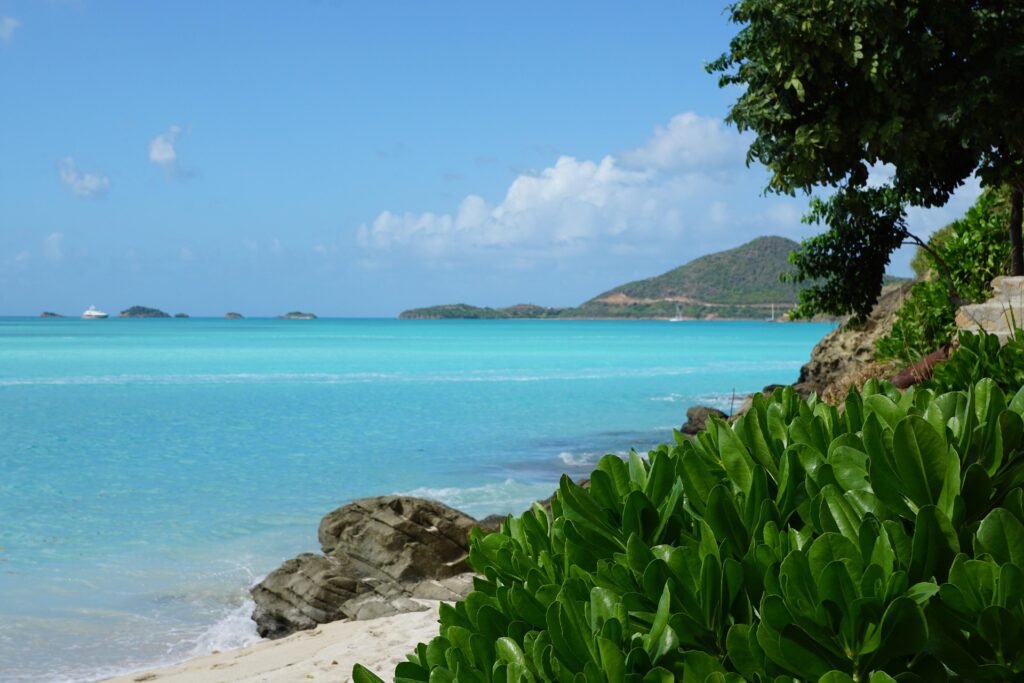
Antigua & Barbuda’s history is a 400-year narrative of maritime strategy and colonial resilience. Once the “Gatekeeper of the Antilles,” Antigua’s jagged coastline provided a natural fortress for the British Royal Navy, most notably at Nelson’s Dockyard, the only working Georgian dockyard in the world. Its story is told in the stone ruins of sugar mills that dot the landscape, the high-altitude vantage points of Shirley Heights, and the courageous legacy of Barbuda’s communal land ownership. Since gaining independence in 1981, the twin-island nation has successfully reallocated its naval heritage into a world-class tourism and yachting economy. Today, it stands as a sophisticated Caribbean hub where the tradition of the high seas meets a modern commitment to marine preservation and the quiet dignity of island life.
🌟 Antigua & Barbuda Local Experiences
Beyond the resort gates, discover the soul of the islands in the ritual of the “Nautical Audit”—watching the world’s most elite sailors maneuver during Antigua Sailing Week. Experience the profound “Chromatic Stillness” of the pink-sand beaches on Barbuda, the intoxicating scent of a freshly sliced Antiguan Black Pineapple, or the simple joy of a Sunday afternoon barbecue at Shirley Heights with the rhythm of a steel pan band. Whether it’s sharing a game of “Warri” with a village elder or navigating the hidden mangroves of the North Sound, these moments reveal a nation that finds its greatest margin in the beauty of the horizon and the warmth of its human connections.
🌄 Antigua & Barbuda Natural Wonders
- The 365 Beaches: Antigua famously offers a different beach for every day of the year, from the social hub of Dickenson Bay to the secluded Half Moon Bay.
- Devil’s Bridge: A spectacular natural limestone arch on the Atlantic coast where the sea has carved a bridge through the jagged rocks.
- Barbuda’s Pink Sand Beaches: Miles of untouched coastline where tiny rose-colored crushed shells create a surreal, glowing pink hue at the water’s edge.
- Stingray City: A unique shallow sandbar where travelers can interact with gentle southern stingrays in their natural habitat.
- The Pillars of Hercules: Dramatic rock formations carved by wind and sea at the entrance to English Harbour, accessible by boat or hike.
- Mount Obama (Boggy Peak): The highest point in Antigua, offering a vertical audit of the island’s lush tropical rainforest.
🏙️ Antigua & Barbuda Must-See Towns & Districts
- St. John’s: (Capital) A vibrant port city where the baroque twin towers of St. John’s Cathedral look down upon colorful duty-free markets and the historic Redcliffe Quay. (Historic, Vibrant, Commercial)
- English Harbour: The historical heart of the island, home to Nelson’s Dockyard and the center of the Caribbean’s yachting culture. (Nautical, Elegant, Timeless)
- Falmouth Harbour: A sophisticated horseshoe bay known for hosting the world’s most impressive superyachts and a lively dockside social scene. (Global, Maritime, Social)
- Codrington (Barbuda): A quiet, traditional village and the main settlement of the sister island, offering a glimpse into the slow-paced Barbudan way of life. (Secluded, Authentic, Serene)
🏞️ Antigua & Barbuda National Parks & Nature Reserves
Managed with a focus on preserving the “Primary Assets” of the Leeward Islands by the National Parks Authority.
- Nelson’s Dockyard National Park: A UNESCO site covering 15 square miles of history, culture, and coastal hiking trails.
- Codrington Lagoon Frigate Bird Sanctuary: One of the largest colonies of Frigate Birds in the world, accessible only by a local boat guide.
- Greencastle Hill National Park: A site of geological and archaeological mystery, home to megalithic stones believed to be an ancient astronomical site.
🏛️ UNESCO World Heritage Sites
- Antigua Naval Dockyard and Related Archaeological Sites — Comprising the Georgian-style naval dockyard and its surrounding defensive military fortifications.
- For more information on the cultural inventory of the islands, visit the UNESCO Antigua & Barbuda Portal.
🖼️ Antigua & Barbuda Museums & Cultural Sites
- Museum of Antigua and Barbuda (St. John’s): Housed in the island’s oldest building, detailing the history from the Arawaks to modern times.
- Betty’s Hope: A historic sugar plantation featuring two restored stone windmills that serve as a poignant “Audit of the Sugar Era.”
- Dow’s Hill Interpretation Centre: Offering a multimedia presentation of the island’s strategic history overlooking the dockyards.
🎉 Antigua & Barbuda Festivals & Celebrations
- Antigua Sailing Week: (April/May) One of the world’s most prestigious regattas, turning the island into a global high-frequency yachting hub.
- Antigua Carnival: (July/August) The Caribbean’s greatest summer festival, celebrating emancipation with vibrant costumes, Calypso music, and J’ouvert.
- Antigua & Barbuda Seafood Festival: (April) A high-margin culinary display of the ocean’s bounty, typically held in the village of Urlings.
🧽 How to Arrive
- ✈️ By Air
- V.C. Bird International (ANU) in Antigua is the primary gateway, known for its modern terminal and efficient regional connections.
- Seamless connections via London (British Airways) or New York/Miami make this a high-yield tropical escape.
- Barbuda: Accessible via a 20-minute regional flight (BMN) or the Barbuda Ocean Ferry (approx. 90 mins).
- 🚢 By Water
- Antigua is a major cruise hub, with the Heritage Quay and Redcliffe Quay terminals in St. John’s serving the world’s largest vessels.
- English Harbour is a primary entry point for private sailing vessels and superyachts.
📶 Stay Connected
- SIM Cards: The two main providers are Flow and Digicel.
- Where to buy: Kiosks are available at V.C. Bird Airport arrivals and in St. John’s city center. Registration with a passport is standard.
- eSIM: Supported by major providers and available via global data platforms like Airalo.
- Logistics: Type G (Three rectangular pins—same as the UK, Qatar, and UAE). Voltage is 230V.
🏨 Where to Stay
Antigua & Barbuda offers a “Diversified Portfolio” ranging from ultra-luxury private island retreats to historic inn-style accommodations.
- Jumby Bay Island (Oetker Collection): A private island sanctuary—a “Tier 1 Asset” for ultimate privacy and luxury.
- Carlisle Bay: A sophisticated “Design-Forward” resort on the quieter southern coast.
- The Admiral’s Inn (Nelson’s Dockyard): Stay in a historic 18th-century stone building for total heritage immersion.
- Barbuda Belle: An eco-luxury boutique hotel offering high-margin seclusion on the sister island.
⛳ Unique Finds
- The Antiguan Black Pineapple: Famous for being the sweetest pineapple in the world; seek them out at roadside stalls near Cades Bay.
- English Harbour Rum: Sample the local “Core Liquid Asset,” especially the 5-year and 10-year aged varieties.
- Shirley Heights BBQ: Join the Sunday night sunset party for a “Proven Example” of island social harmony and panoramic views.
- Galleon Beach Sea Turtles: Snorkel with hawksbill and green sea turtles just a few yards from the shore.
🤝 Antigua & Barbuda Cultural Guidance
- The Greeting Protocol: Locals are polite and value formal greetings. A “Good morning” or “Good afternoon” is mandatory before conducting any business.
- Island Pace: Understand that “Island Time” is a strategic choice, not a lack of efficiency. Patience is a “Health Benchmark” here.
- Dress Code: Beachwear is strictly for the beach. When in St. John’s or public buildings, modest attire (shoulders and knees covered) is expected.
- Basic Phrases:
- Hello: “How you keepin’?”
- Thank you: “Bless up” / “Thank you”
- Take it easy: “Go slow” / “Hold a lime”
- Everything is good: “Direct”
🛂 Antigua & Barbuda Entry & Visa Requirements
- Visa-Free: Citizens of the UK, US, Canada, EU, and many GCC nations (including Qatar and UAE) generally do not require a visa for tourism stays up to 90 days.
- Official Source: Consult the Antigua & Barbuda Department of Immigration.
💰 Practical Essentials
- Currency: Eastern Caribbean Dollar (XCD). Pegged to the USD (1 USD ≈ 2.70 XCD). US Dollars are widely accepted in tourist areas.
- Driving: Driving is on the left (British legacy). A temporary local driving permit is required for rentals.
- Safety: One of the safer “High-Margin” destinations in the region. Standard urban vigilance is advised in St. John’s.
- Climate: Subtropical. Best visited December to May (Dry Season) for “Defensive” mild temperatures.
✨ Bonus Tip: The Horizon Audit
To truly embrace Antigua & Barbuda, you must perform a “Horizon Audit.” Most travelers stay within the resort curve. Instead, rent a car and drive the Fig Tree Drive through the southern rainforest, then stop at a different beach every day. It is in the transition from the high-frequency energy of English Harbour to the prehistoric silence of Barbuda’s pink sands that your own evolving sense of scale and clarity will finally reveal itself. Antigua is a lesson in how a small island can contain a million different horizons.
🔗 Featured Links
- Official Tourism: Visit Antigua & Barbuda.
- National Parks: Antigua National Parks Authority.

Beyondia
Trusted Travel CompanionReal digital nomad. I travel. I learn. I grow.
What about you? Where are you going?