GoBeyondia Atlas 🗺️ North-America Caribbean 🗾
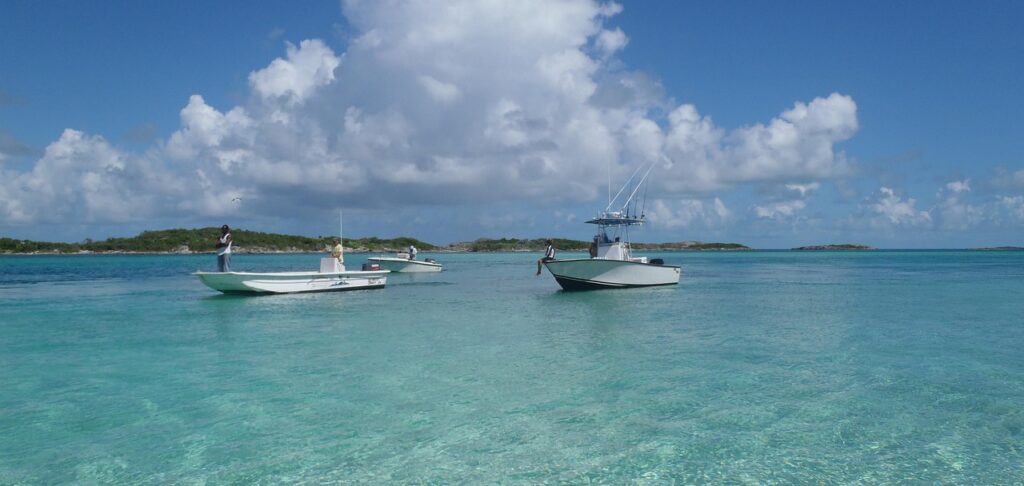
Bahamas: Where seven hundred islands spread across the clearest water on earth and Christopher Columbus made his first landfall on October 12, 1492, naming the island San Salvador while the forty thousand Lucayan people who already lived there called it Guanahani — and within twenty-five years every single Lucayan was gone, enslaved or dead from disease, so completely erased that the only trace of them embedded in the English language is the word “cay,” which comes from their word “cairi” meaning island — the people who named the islands removed from the islands, their vocabulary surviving inside the language of the civilization that destroyed them — while beneath this surface of paradise and erasure, more than two hundred vertical cave systems called blue holes plunge hundreds of meters into darkness where bacteria live without oxygen in conditions resembling early Earth, each hole containing species found nowhere else, because the Bahamas is the place where what looks simplest hides what is most unknown.
Bahamas in 30 Seconds
An archipelago of more than seven hundred islands and three thousand cays in the Atlantic Ocean, southeast of Florida, north of Cuba. Only about thirty islands are inhabited. The water is among the clearest on earth — the shallow carbonate platforms called the Great Bahama Bank are visible from space, a vast expanse of turquoise so transparent you can see the bottom from an airplane at cruising altitude. On October 12, 1492, Christopher Columbus made his first landfall in the Americas on an island the Lucayan people called Guanahani. He renamed it San Salvador, described the Lucayans as gentle and generous, noted in his journal that they could be easily subjugated, and wrote that he could deliver to Spain slaves in whatever quantity the crown desired. The Lucayans were a branch of the Taíno culture who had migrated from South America through the Caribbean over eight hundred years, settling across the archipelago and growing to a population of approximately forty thousand. Within twenty-five years of Columbus’s arrival, every Lucayan in the Bahamas was gone — taken to Hispaniola and Cuba as enslaved labor, or dead from European diseases they had no immunity against. The islands sat empty for over a century until English Puritans arrived in 1648 seeking religious freedom. Today, the name Bahamas itself may derive from the Lucayan word “Bahama,” meaning large upper middle island — though tourist guides often attribute it to the Spanish “baja mar,” shallow sea. The Lucayans called themselves “Lukku-Cairi” — people of the islands. Their word for island, “cairi,” entered Spanish as “cayo” and English as “cay.” It is the single most common geographic term across the entire Caribbean. The people who created it were erased from the geography it describes.
Evoke — Why You Visit The Bahamas
You come to the Bahamas because you have been looking at something and seeing only its surface — the relationship, the company, the project, the life you have built — and you need a country that will show you what transparency actually conceals. The Bahamas has the clearest water on earth and the least understood underworld beneath it. Andros, the largest island in the archipelago, contains more than two hundred blue holes — vertical underwater cave systems formed during ice ages when the sea was lower, then flooded when glaciers melted and the water rose. These are not decorative features. They are shafts into darkness. Dean’s Blue Hole on Long Island drops two hundred and two meters straight down — the third deepest marine sinkhole on the planet — its surface a perfect circle of turquoise no wider than thirty-five meters that opens, below the waterline, into a cavern one hundred meters across before narrowing into a vertical abyss. Andros alone has more blue holes than anywhere else on earth, many of them still unmapped. Inside the inland holes, where dead organic matter blocks light and prevents oxygen from reaching the depths, scientists have found bacteria living on hydrogen sulfide in conditions that replicate early Earth before the oxygen revolution. In 2011, biologists analyzed DNA from microbes in five different Bahamian blue holes and found zero shared species between them — each hole a sealed evolutionary laboratory running its own experiment for thousands of years. Astrobiologists from Penn State study these bacteria because understanding how life survives without oxygen in the Bahamas tells them what to look for on oxygen-free worlds. You come because you thought the place you were looking at was simple. The Bahamas will teach you that what appears most transparent is often what is least understood.
Explore — How You Experience The Bahamas
Fly into Nassau on New Providence, where seventy percent of the country’s population lives on an island that is not even close to the largest — that would be Andros, which has more land area than all the other Bahamian islands combined and fewer people than a single Nassau neighborhood. Take a domestic flight to Long Island and visit Dean’s Blue Hole — stand at its edge where white sand meets a circle of dark blue so sudden it looks artificial, and understand that the calm surface conceals a shaft taller than most skyscrapers. If you dive, the walls widen as you descend — from thirty-five meters at the surface to one hundred meters across at twenty meters depth — a cathedral opening beneath you in reverse. Then go to Andros and find one of the inland blue holes in the pine forest, black water surrounded by mangroves, appearing from above like nothing more than a swamp — and know that beneath that surface is an anoxic chamber where four-thousand-year-old fossils of crocodiles and tortoises sit perfectly preserved because the absence of oxygen stopped decomposition. In the 1970s, divers exploring Stargate Blue Hole on Andros found Lucayan remains and a Lucayan canoe on the bottom — the people erased from the surface, preserved in the depths. Visit San Salvador if you can reach it — population eight hundred — and stand where the Columbus monument marks the probable site of the first European landfall in the Americas, and understand that you are standing on the spot where the word “discovery” entered Western mythology and the word “Guanahani” exited it. Walk the Queen’s Staircase in Nassau — sixty-six steps carved from solid limestone by enslaved people in the eighteenth century — and notice that the staircase is named for Queen Victoria, not for the people who cut it.
Evolve — Who You Become in The Bahamas
You leave the Bahamas understanding that transparency is not the same as visibility. The clearest water on earth sits above the least explored cave systems on the planet. The most famous “discovery” in Western history was actually an encounter with forty thousand people who had lived there for eight centuries — and the encounter erased them so completely that most visitors today do not know the Lucayans existed. The place that looks like a postcard is an archive of the oldest question in biology — how life begins without oxygen — running silently beneath the resorts. And the single geographic term that binds the entire Caribbean together — cay, from the Lucayan “cairi” — was contributed by people whose name most English speakers have never heard. You come home and look at the thing in your own life that appears most transparent — the partnership that seems clear, the strategy that seems obvious, the surface that seems calm — and you stop assuming that seeing through something means you understand it. The Bahamas is the place where the bottom is visible from thirty thousand feet and the depths are unmapped from thirty meters. The surface is what was made. The depth is what was there. You have been looking at the clearest water on earth. You have not been seeing what is underneath.
Your practical guide to Bahamas starts bellow 👇
🕰️ Bahamas Historical Backdrop
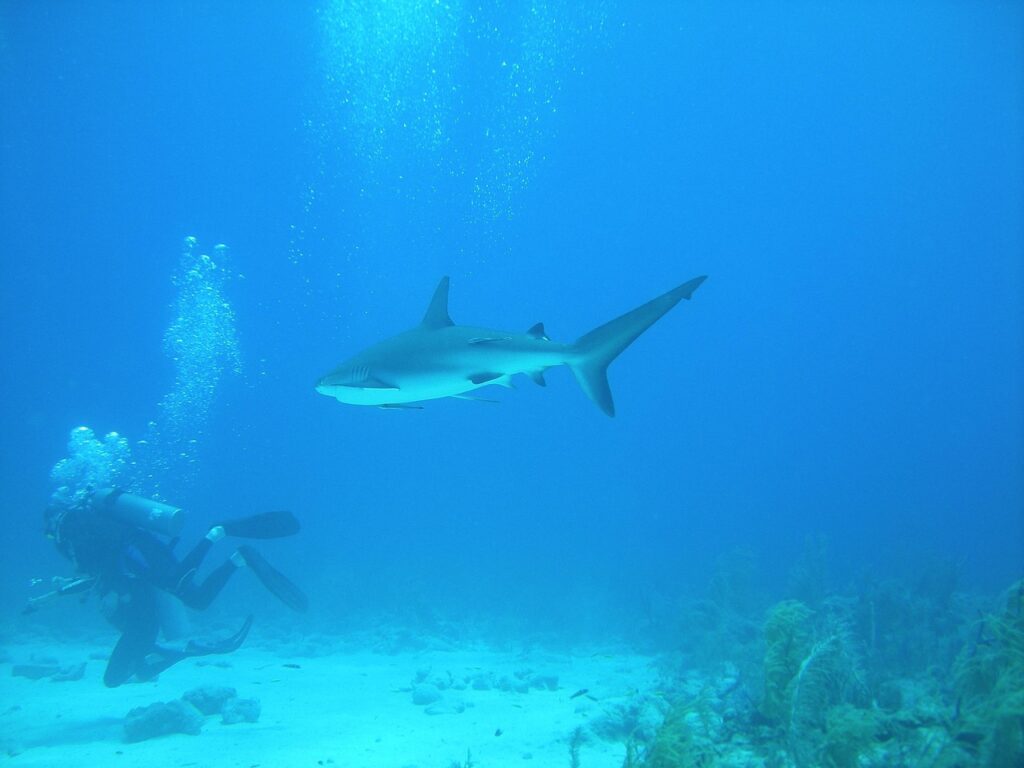
The history of The Bahamas is a multifaceted narrative of seafaring and survival. Originally inhabited by the Lucayan people, the islands became the site of Christopher Columbus’s first landfall in the New World in 1492. For centuries, the archipelago’s treacherous reefs and hidden coves made it a legendary sanctuary for pirates during the “Golden Age of Piracy,” with Nassau serving as the center of a self-proclaimed Privateers’ Republic. Its story is told in the colonial fortifications of New Providence, the Loyalist architecture of the Out Islands, and the resilient spirit of the African-Bahamian majority who gained independence from Britain in 1973. Today, The Bahamas is a global leader in marine protection and sustainable tourism, preserving a land where the legend of Blackbeard meets a modern commitment to protecting the world’s third-largest barrier reef.
🌟 Bahamas Local Experiences
Beyond the world-class resorts, discover the soul of The Bahamas in the joyful chaos of a “Fish Fry” at Arawak Cay, where the scent of lime and scotch bonnet peppers fills the air. Experience the profound stillness of the blue holes in Andros, the exhilarating rush of swimming with wild pigs in the Exumas, or the simple joy of a sunset “Conch Salad” prepared fresh at a dockside stand. Whether it’s participating in the rhythmic, costumed energy of the Junkanoo parade or learning the art of traditional straw-plaiting in a village market, these moments reveal a nation that finds richness in the rhythm of the tides and the warmth of its community.
🌄 Bahamas Natural Wonders
- The Exuma Cays: A spectacular 120-mile-long archipelago known for its varying shades of blue, sandbars, and diverse marine life.
- Andros Blue Holes: The highest concentration of blue holes in the world, these inland and oceanic caves are a paradise for technical divers.
- Dean’s Blue Hole (Long Island): One of the world’s deepest salt-water blue holes, plunging 202 meters into the earth.
- Pink Sands Beach (Harbour Island): A world-famous three-mile stretch of beach where the sand is a soft, pastel pink due to microscopic coral insects.
- Thunderball Grotto: An intricate underwater cave system near Staniel Cay, famous as a filming location for James Bond.
- Lucayan National Park: Home to one of the longest underwater limestone cave systems in the world and the spectacular Gold Rock Beach.
🏙️ Bahamas Must-See Cities & Regions
- Nassau: (Capital) A vibrant hub on New Providence Island, blending British colonial charm with modern luxury and the historic pirate sites of the city center. (Historic, Vibrant, Urban)
- Grand Bahama (Freeport): Known for its ecological wonders, underwater cave systems, and the duty-free shopping of Port Lucaya. (Nature-rich, Relaxed, Industrial)
- Harbour Island: A boutique island destination famous for its pink sand, New England-style architecture, and upscale dining. (Charming, Elegant, Picturesque)
- The Exumas: The ultimate destination for island hopping, famous for Big Major Cay (Pig Beach) and pristine sandbars. (Adventurous, Scenic, Nautical)
- Eleuthera: A long, thin island known for its rugged cliffs, pineapple fields, and the dramatic “Glass Window Bridge.” (Wild, Natural, Serene)
🏞️ Bahamas National Parks & Nature Reserves
Managed with a focus on island sustainability by the Bahamas National Trust (BNT).
- Exuma Cays Land and Sea Park: The first land and sea park in the world, serving as a vital sanctuary for the Queen Conch and Grouper.
- Inagua National Park: Home to over 80,000 West Indian Flamingos, the national bird of The Bahamas.
- Blue Holes National Park (Andros): Protecting the unique freshwater and marine cave systems of the island.
🏛️ UNESCO World Heritage Sites
The Bahamas currently has several sites on the Tentative List, including:
- The Historic Town of Nassau: For its colonial architecture and urban planning.
- For more information on heritage preservation, visit the UNESCO Bahamas Portal.
🖼️ Bahamas Museums & Cultural Sites
- National Art Gallery of The Bahamas (Nassau): Housed in the historic Villa Doyle, showcasing the best of Bahamian contemporary and traditional art.
- Pirates of Nassau Museum: An interactive experience detailing the city’s history as a pirate stronghold in the 1700s.
- Pompey Museum of Emancipation & Slavery: Located in the historic Vendue House, exploring the history of the slave trade and the struggle for freedom.
🎉 Bahamas Festivals & Celebrations
- Junkanoo: (Boxing Day & New Year’s Day) The premier cultural event featuring street parades with intricate cardboard costumes, cowbells, and goatskin drums.
- Bahamas International Film Festival (BIFF): (December) Highlighting independent cinema in a tropical setting.
- Regatta Season: (Year-round) Traditional sloop sailing races held across various islands, most notably the National Family Island Regatta in Exuma.
- Pineapple Festival (Gregory Town): (June) Celebrating the heritage of pineapple farming on the island of Eleuthera.
🧽 How to Arrive
- ✈️ By Air
- Hubs: Lynden Pindling International (NAS) in Nassau and Grand Bahama International (FPO).
- Airlines: Bahamasair (Flag carrier) and major carriers (American, Delta, JetBlue, British Airways) connect the islands to North America and Europe.
- 🚢 By Sea
- The Bahamas is a premier global cruise destination, with the Nassau Cruise Port being one of the busiest in the world.
- Inter-island ferries (Bahamas Ferry Services) and “Mail Boats” provide transport to the Out Islands.
- 🚗 By Road
- Driving is on the left (British legacy). Car rentals are available on major islands, though many Out Islands are best explored by golf cart or boat.
📶 Stay Connected
- SIM Cards: The two main providers are BTC and Aliv.
- Where to buy: Kiosks are available at Nassau airport arrivals and in all major shopping centers. Registration with a passport is standard.
- eSIM: Supported by Aliv; available via international apps like Airalo for data.
🏨 Where to Stay
The Bahamas offers everything from mega-resorts on Paradise Island to secluded eco-lodges on the Out Islands.
- The Ocean Club (A Four Seasons Resort): An iconic luxury estate featuring Versailles-inspired gardens.
- The Cove Eleuthera: A secluded, sophisticated retreat set between two white-sand coves.
- Tiamo Resort (Andros): An exclusive eco-lodge accessible only by boat or seaplane.
- Baha Mar (Nassau): A massive integrated resort destination featuring Rosewood, SLS, and Grand Hyatt.
⛳ Unique Finds
- The Glass Window Bridge: See the stark contrast between the dark blue, turbulent Atlantic and the calm, turquoise Bight of Eleuthera.
- Traditional Sloop Sailing: Learn to sail a Bahamian sloop, a wooden boat built with techniques passed down through generations.
- Straw Market Crafts: Purchase hand-woven bags and hats in Nassau, a craft that sustained island families for over a century.
- Kalik & Sands: Taste the local beers, named respectively after the sound of cowbells and the islands’ pristine shores.
🤝 Bahamas Cultural Guidance
- Island Time: Life moves at a slower pace here. Be patient with service and embrace the unhurried rhythm.
- Greetings: Bahamians are polite and value formal greetings. A “Good morning” or “Good afternoon” is expected before asking for information.
- Dress Code: Beachwear is for the beach. When in Nassau or public buildings, modest attire is respected.
- Basic Phrases:
- Hello: “How you doin’?” / “Mornin'”
- Thank you: “Thank you kindly”
- Wait a minute: “Hold on a li’l bit”
- Everything is good: “Direct” / “It’s all good”
🛂 Bahamas Entry & Visa Requirements
- Visa-Free: Citizens of the UK, US, Canada, EU, and many Commonwealth nations generally do not require a visa for tourism stays up to 90 days.
- Official Source: Consult the Bahamas Department of Immigration.
💰 Practical Essentials
- Currency: Bahamian Dollar (BSD). It is pegged 1:1 with the US Dollar (USD), and both are used interchangeably throughout the islands.
- Electricity: Type A and B (Flat pins—same as North America). Voltage is 120V.
- Safety: Generally safe for travelers. Use standard urban vigilance in certain parts of Nassau and Freeport at night.
- Climate: Subtropical. Best visited December to May (Dry Season) to avoid the hurricane window (June-November).
✨ Bonus Tip: The Horizontal Perspective
To truly embrace The Bahamas, you must leave the mainland. The nation’s true value isn’t found in its skyscrapers or cruise docks, but in the “Horizontal Infinity” of the Out Islands. Charter a boat or take the mail boat to a remote cay. It is in the absolute silence of a sandbar that disappears with the tide—where the only boundary is the gradient of blue—that your own sense of perspective and internal clarity will finally reveal themselves.
🔗 Featured Links
- Official Tourism: Bahamas.com.
- National Trust: Bahamas National Trust.

Beyondia
Trusted Travel CompanionReal digital nomad. I travel. I learn. I grow.
What about you? Where are you going?