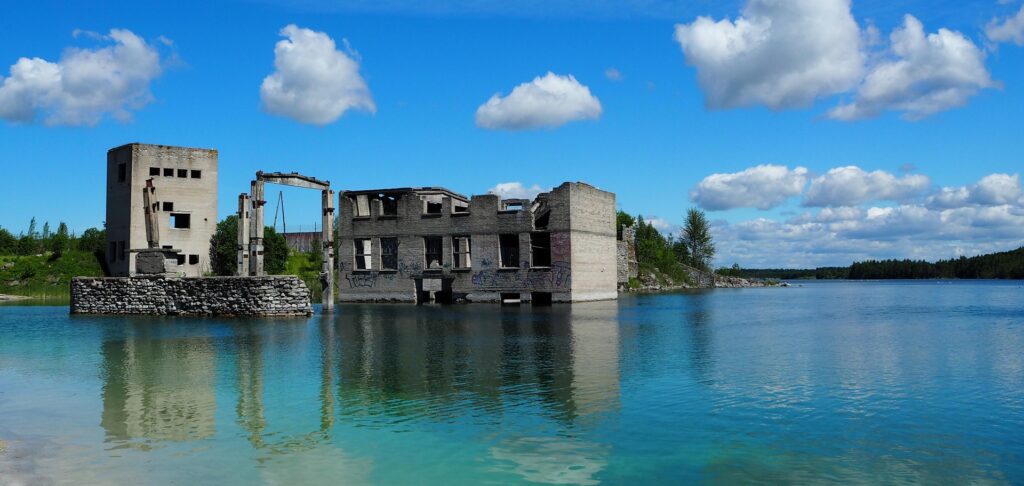
GoBeyondia Atlas 🗺️ Nordic-Western Europe 🗾
Estonia: Where Silicon Valley meets a medieval fairy tale in a landscape that is 50% wild forest and 100% digital, where the world’s most advanced electronic government lives inside 13th-century limestone walls, and a nation won its independence not with bullets, but by 300,000 people holding hands and singing until the Soviet Union blinked.
Estonia in 30 Seconds
A Baltic sentinel perched at the edge of the North, Estonia is a country that spent eight centuries being conquered by Danes, Germans, Swedes, and Russians, only to emerge in the 21st century as the world’s most advanced digital society. It is a land of radical contrasts: it has the highest number of startups per capita in Europe and “e-Residency” for global nomads, yet its people still retreat to the woods every weekend to pick mushrooms and speak to ancient trees. Tallinn, the capital, is a dual-layered reality—the “Upper Town” of Toompea, where nobles once looked down on the merchants, and the “Lower Town,” one of the best-preserved medieval centers on earth, where cobblestones polished by Hanseatic boots lead to pharmacies that have been open since 1422. Beyond the capital lies a wilderness of 2,222 islands and sprawling mires—primeval peat bogs like Viru or Soomaa, where wooden boardwalks allow you to walk over black water that has been still for millennia. In the east lies Narva, where a Danish-built castle stares directly across a narrow river at a Russian fortress, a literal cliffhanger of Western and Eastern civilizations. This is the country that invented Skype, where you can vote from your sofa and start a company in fifteen minutes, but where the “Song Festival”—a massive gathering held every five years—remains the true soul of the nation, a reminder of the 1988 “Singing Revolution” when Estonians used choral harmony as a geopolitical weapon to dissolve the Iron Curtain.
Evoke — Why You Visit Estonia
You come to Estonia because you are exhausted by the friction of the modern world—the paperwork, the queues, the noise—and you’ve realized that the “future” everyone promised looks less like a neon metropolis and more like a quiet forest with a fiber-optic heartbeat. You’ve been living in a state of high-velocity clutter, and Estonia offers the Strategy of the Bog: a place where the water is so still it reflects the sky perfectly, and the path forward is a narrow, deliberate wooden plank. You come because you want to see what happens when a culture stops trying to choose between its heritage and its potential. Most places sacrifice their past to build their future; Estonia simply uploaded its past into a cloud and kept the medieval buildings for the atmosphere. You’ve been struggling to balance your “analog” soul with your “digital” life, feeling like one must eventually kill the other. Estonia suggests that you can be a coder and a forest-dweller simultaneously, that efficiency is not the enemy of mystery, and that the most powerful thing you can do when faced with an overwhelming force is not to scream, but to find a harmony so resonant that the walls around you simply have no choice but to come down.
Explore — How You Experience Estonia
Walk the Tallinn Old Town city walls at dusk—trace the limestone fortifications that have stood since the 1200s, then duck into a subterranean bar to pay for a craft gruit ale with a tap of your watch, experiencing the 800-year whiplash that defines the Estonian day. Take the ferry to Saaremaa, the largest island, where wooden windmills and thatched roofs endure, and visit the Kaali Meteorite Crater—a prehistoric impact site that inspired ancient myths and reminds you that the earth is constantly being reshaped from above. Head to the Kumu Art Museum, a copper-and-limestone masterpiece carved into a cliffside, to see how Estonian artists maintained their identity through decades of occupation by painting “between the lines.” Experience the Smoke Sauna tradition in Võrumaa—a UNESCO-listed ritual of heat, birch branches, and cold plunges that isn’t just about hygiene, but about a spiritual cleansing that has remained unchanged since the Iron Age. Finally, stand on the stage of the Tallinn Song Festival Grounds—a massive concrete shell designed to amplify the voices of 30,000 singers—and imagine the sound of a third of the nation’s population singing “My Fatherland is My Love” while Soviet tanks sat idling just a few miles away, waiting for a violence that never came because the music was too loud to ignore.
Evolve — Who You Become in Estonia
You leave Estonia with a newfound intolerance for unnecessary complexity. You spent your life believing that “progress” meant more—more layers, more systems, more noise—but Estonia showed you that true progress is invisibility. It is a government that stays out of your way so you can spend more time in the moss. You come home and realize that the “Singing Revolution” wasn’t just a historical event; it was a blueprint for personal agency. You had been trying to fight your battles with aggression, meeting force with force, but you’ve learned that there is a quiet, collective persistence—a “Nordic with an edge” resilience—that wins by simply outlasting the storm. You start looking at the “forests” in your own life—the quiet, neglected spaces—and you realize they aren’t empty; they are where you recharge. You stop seeing your digital tools as distractions and start seeing them as the boardwalks that allow you to cross the swamps of administrative life without getting your feet wet. You return to your world as a “Digital Forester,” someone who uses the most advanced tools available to protect the most ancient parts of their soul.
Your practical guide to Estonia starts bellow 👇
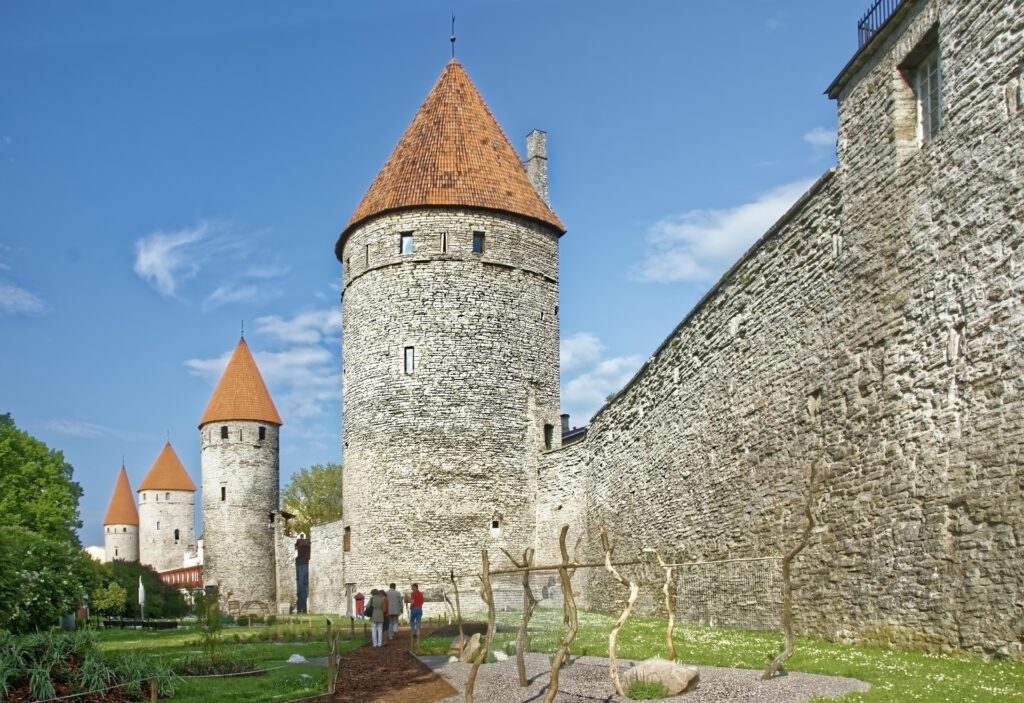
🕰️ Estonia Historical Backdrop
Estonia’s history is a resilient narrative of a small nation maintaining a unique Finno-Ugric soul amidst the shifting tides of empires. From its days as a vital Hanseatic trading hub to periods of Danish, Swedish, and Russian rule, Estonia has always been a strategic gateway between East and West. Its story is told in the remarkably preserved 13th-century walls of Tallinn’s Old Town, the grand manor houses of the countryside, and the poignant “Singing Revolution” of the late 1980s, where hundreds of thousands of Estonians regained their independence through song. Today, Estonia is a global pioneer in digital innovation—the birthplace of Skype and the world’s first “e-nation”—proving that a nation can fiercely protect its ancient folk traditions while building a borderless, high-tech future.
🌟 Estonia Local Experiences
Beyond the digital efficiency, discover Estonia’s soul in the ritual of a traditional wood-fired sauna, where the scent of birch branches and the heat of the stones offer a deep sense of renewal. Experience the profound stillness of “bog walking” on specialized wooden paths at dawn, the exhilarating freedom of cycling through the car-free islands of the West, or the communal power of a folk festival where the entire crowd harmonizes in ancient song. Whether it’s foraging for wild chanterelles in a silent forest or exploring the trendy industrial “creative cities” of Tallinn, these moments reveal a nation that finds strength in silence, nature, and a quiet, unshakeable pride.
🌄 Estonia Natural Wonders
- Lahemaa National Park: A spectacular landscape where massive glacial boulders meet the Baltic coast and dense pine forests hide historic manors.
- Saaremaa & Hiiumaa Islands: A world of limestone cliffs, historic windmills, and meteorite craters, where traditional island life remains intact.
- Soomaa (The Fifth Season): A vast wetland famous for its unique flooding season, where travelers navigate the forests and meadows by canoe.
- The Bogs (Viru or Kakerdaja): Mystical peat moss landscapes with mirror-like pools that have existed for thousands of years.
- Jagala Waterfall: Estonia’s widest natural waterfall, often transforming into a magnificent ice cathedral in winter.
- Panga Cliff: A dramatic 21-meter limestone cliff on the northern coast of Saaremaa, once a sacred sacrificial site.
🏙️ Estonia Must-See Cities & Regions
- Tallinn: (Capital) One of the best-preserved medieval cities in Europe, blending Hanseatic history with a world-class culinary scene and high-tech urban design. (Medieval, Digital, Coastal)
- Tartu: The intellectual heart of Estonia and Europe’s 2024 Capital of Culture, home to its historic university and a vibrant, bohemian atmosphere. (Academic, Romantic, Creative)
- Pärnu: The “Summer Capital,” famous for its long sandy beaches, shallow bay, and elegant 19th-century spa architecture. (Beach, Relaxed, Historical)
- Haapsalu: A charming seaside resort town known for its wooden lace architecture, a historic railway station, and curative mud baths. (Picturesque, Quiet, Nostalgic)
- Narva: A unique frontier city where a medieval Estonian castle sits directly across the river from a Russian fortress. (Frontier, Historic, Industrial)
🏞️ Estonia National Parks & Nature Reserves
Managed with world-leading environmental transparency by the State Forest Management Centre (RMK).
- Lahemaa National Park: Estonia’s first and largest national park.
- Soomaa National Park: Famous for its “fifth season” floods and traditional dugout canoes.
- Matsalu National Park: One of Europe’s most important stopovers for migratory birds.
🏛️ UNESCO World Heritage Sites
- Historic Centre (Old Town) of Tallinn — An exceptionally complete and well-preserved example of a medieval Northern European trading city.
- Struve Geodetic Arc — A chain of survey triangulations stretching from Norway to the Black Sea, with significant points in Estonia.
- Estonian Song and Dance Celebration — A masterpiece of Oral and Intangible Heritage of Humanity.
- For more information, visit the UNESCO Estonia Portal.
🖼️ Estonia Museums & Galleries
- Kumu Art Museum (Tallinn): A magnificent contemporary building housing Estonian art from the 18th century to today.
- Seaplane Harbour (Lennusadam): An immersive maritime museum located in a historic seaplane hangar.
- Estonian National Museum (Tartu): A stunning architectural landmark telling the story of Estonian daily life and Finno-Ugric cultures.
- Telliskivi Creative City: A reclaimed industrial space in Tallinn that serves as a hub for galleries, design shops, and street art.
🎉 Estonia Festivals & Celebrations
- Estonian Song Festival (Laulupidu): (Every 5 years) A monumental event where over 30,000 singers perform for an audience of 100,000—a core pillar of national identity.
- Black Nights Film Festival (PÖFF): (November) One of the largest and most prestigious film festivals in Northern Europe.
- Viljandi Folk Music Festival: (July) A vibrant celebration of traditional music in the ruins of a medieval castle.
- White Lady Days (Haapsalu): (August) A festival centered around a local ghost legend, featuring open-air theater and markets.
🧽 How to Arrive
- ✈️ By Air
- Tallinn Airport (TLL) is the primary gateway, frequently voted one of the world’s “coziest” airports.
- Airlines: airBaltic (Major regional carrier) and major European airlines connect Tallinn to the world.
- 🚢 By Sea
- Frequent high-speed ferries connect Tallinn to Helsinki, Finland (approx. 2 hours) and Stockholm, Sweden.
- Operators: Tallink Silja, Viking Line, and Eckerö Line.
- 🚗 By Road
- The Via Baltica (E67) connects Tallinn to Riga, Vilnius, and Warsaw.
- Lux Express offers world-class, high-comfort bus travel between Baltic capitals.
📶 Stay Connected
- SIM Cards: Major providers include Telia, Elisa, and Tele2.
- Digital Infrastructure: Estonia has almost universal Wi-Fi coverage, even in remote forests. Public Wi-Fi is fast and often free.
- eSIM: Supported by all major providers and available via international platforms like Airalo.
- Digital Nomad Visa: Estonia was the first country to launch a dedicated Digital Nomad Visa.
🏨 Where to Stay
Estonia offers everything from medieval boutique hotels to minimalist “mirror houses” in the wilderness.
- Hotel Telegraaf (Tallinn): A luxury hotel in a historic telegraph office in the Old Town.
- ÖÖD Hötels: Unique mirror-glass cabins integrated into the Estonian nature.
- Pädaste Manor (Muhu Island): A historic estate offering ultimate seclusion and world-class Nordic cuisine.
- RMK Forest Huts: For the adventurous, the RMK offers basic cabins and campsites throughout the national parks.
⛳ Unique Finds
- The Smoke Sauna: Experience the UNESCO-recognized smoke sauna tradition in Old Võromaa (South Estonia).
- Medieval Banquet: Dine by candlelight at Olde Hansa in Tallinn to experience 15th-century recipes and atmosphere.
- Meteorite Crater (Kaali): Visit one of the few easily accessible meteorite impact sites in the world on Saaremaa island.
- Kalamaja Wooden Houses: Walk through Tallinn’s trendiest neighborhood to see the colorful “Tallinn-type” wooden apartment houses.
🤝 Estonia Cultural Guidance
- Directness: Estonians value honesty and brevity. Silence is not considered awkward; it is often a sign of comfort or thoughtfulness.
- Privacy: Respect personal space. Avoid excessive small talk with strangers.
- Nature Access: Follow the “Everyman’s Right”—you can roam freely in nature, but never litter and respect the privacy of farmsteads.
- Basic Phrases:
- Hello: “Tere” (Te-re)
- Thank you: “Aitäh” (Ay-tah)
- Cheers: “Terviseks” (Ter-vi-seks)
- Goodbye: “Head aega” (Head ay-ga)
🛂 Estonia Entry & Visa Requirements
- Schengen Area: Estonia is a full member of the Schengen Area. Citizens of the UK, US, Canada, Australia, and EU member states do not require a visa for tourism stays up to 90 days.
- Official Source: Consult the Estonian Ministry of Foreign Affairs for current regulations.
💰 Practical Essentials
- Currency: Euro (€). Estonia is highly digital; card payments are accepted almost everywhere, from remote campsites to street markets.
- Electricity: Type C and F (Two round pins). Voltage is 230V.
- Safety: Estonia is consistently ranked as one of the safest countries in the world for travelers.
- Climate: Marine-continental. Best visited May–September for the “White Nights” or December for the iconic Christmas Market.
✨ Bonus Tip
To truly embrace Estonia, you must go “Off-Grid.” Use the RMK app to find a remote forest trail or a bog boardwalk. Leave your phone in your pocket (despite the perfect 5G signal) and just listen. It is in the damp moss of the forest and the absolute, prehistoric silence of the bogs that the true, resilient spirit of Estonia and your own evolving sense of clarity will reveal themselves. Estonia isn’t just a place to visit; it’s a lesson in how the future can still hold hands with the ancient.
🔗 Featured Links
- Official Tourism: Visit Estonia.
- Forest Logistics: RMK Official Site.

Beyondia
Trusted Travel CompanionReal digital nomad. I travel. I learn. I grow.
What about you? Where are you going?