GoBeyondia Atlas 🗺️ East-Asia Oceania 🗾
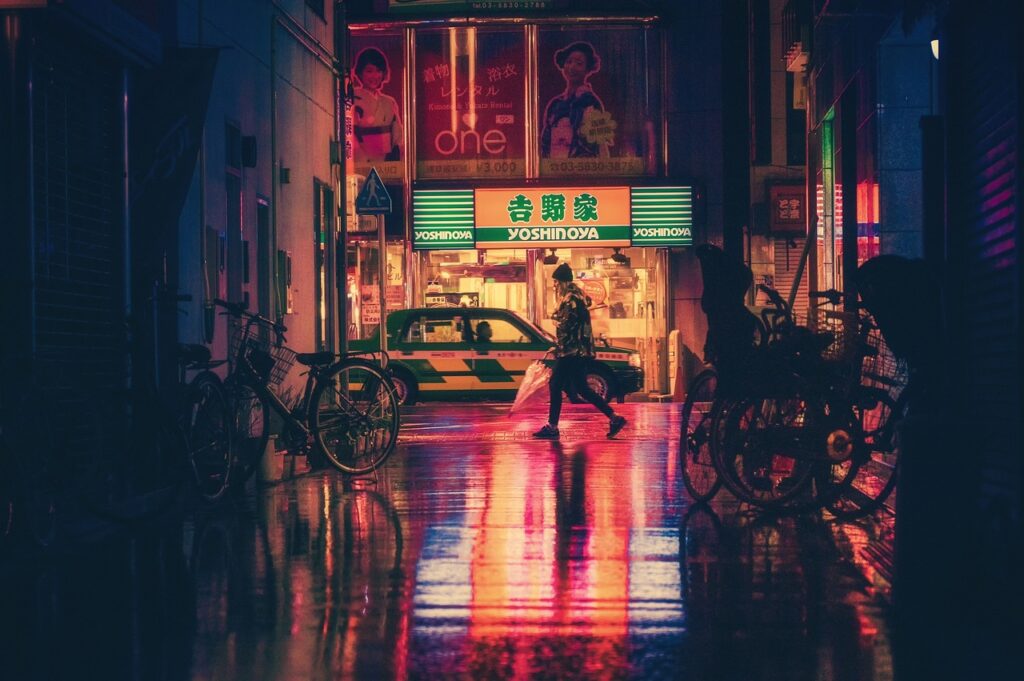
Japan: Where ancient temples, neon streets, and quiet rituals shape tomorrow.
Japan in 30 seconds
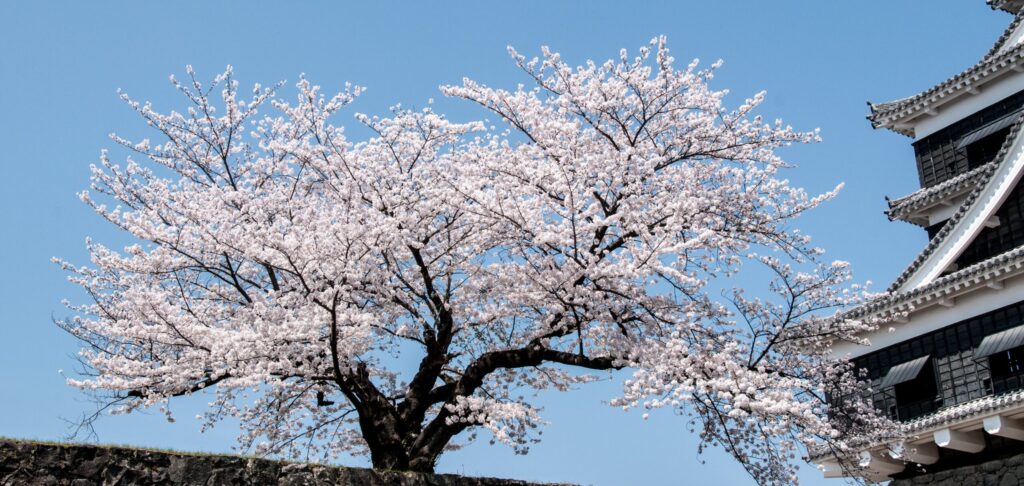
A country where precision and poetry live side by side, Japan moves from quiet temple paths to the electric pace of Tokyo in a single day. Bullet trains stitch together mountain villages, coastal cities, and ancient capitals shaped by ritual and innovation. Food culture ranges from street ramen counters to centuries-old tea traditions, while seasonal shifts — cherry blossoms, autumn maples, winter snow — redefine the landscape again and again. Japan rewards travelers who slow down enough to notice the details.
Evoke – Why You Visit Japan
You come to Japan because you’ve lost respect for how things are done. Everything in your life has become fast, approximate, good enough. You cut corners not because you’re lazy but because the world trained you that speed beats care. Something in you knows that’s a lie but you can’t remember the proof. You need to stand in a place where a man spends forty years mastering one single cut of fish and considers himself still learning.
Explore – How You Experience Japan
Arrive in Tokyo and let the first morning overwhelm you. The station will move four million people past you and not one of them will bump your shoulder — that precision is the first lesson. Sit at a seven-seat ramen counter and watch the chef. He’s not cooking. He’s performing a ceremony he’s performed ten thousand times and he has never once called it boring. Take the train to Kyoto and walk through Fushimi Inari at dusk when the tourists leave and the torii gates stop being a photo and start being a tunnel into something you can’t name. Find a kissaten — an old coffee shop where a seventy-year-old man pours one cup at a time through a cloth filter in complete silence. Drink it slowly. You have nowhere to be.
Evolve – Who You Become in Japan
You leave Japan embarrassed in the best possible way. Embarrassed by how carelessly you’ve been living. Not guilty — inspired. You start treating small things as if they matter because you watched an entire culture prove that they do. You fold your clothes differently. You show up five minutes early and don’t call it a waste. You stop saying ‘it doesn’t matter’ about things that do. Japan doesn’t change what you want from life. It changes what you’re willing to accept from yourself.
Your practical guide to Argentina starts below 👇
🕰️ Japan Historical Backdrop
Japan’s history is a profound saga of ancient empires, feudal warlords, and a relentless pursuit of perfection that has shaped one of the world’s most unique cultures. From the spiritual tranquility of its Shinto shrines and Buddhist temples to the powerful legacy of samurai and shoguns, Japan has forged a path distinct from its continental neighbors. Its story is told in the meticulous artistry of its gardens, the resilience of its people, and the revolutionary spirit that transformed it into a global leader. Through centuries of isolation and rapid modernization, what endures is an unparalleled dedication to harmony, innovation, and an exquisite aesthetic sensibility. This is a land where every tea ceremony, every bustling street crossing, and every serene bamboo grove whispers tales of a civilization continually evolving while honoring its deep roots.
🌄 Japan Natural Wonders
- Mount Fuji: Japan’s sacred and iconic highest peak, a symbol of the nation.
- Arashiyama Bamboo Grove: A serene, towering bamboo forest near Kyoto.
- Jigokudani Monkey Park: Home to snow monkeys bathing in natural hot springs.
- Naoshima Island: An “art island” blending contemporary art with Seto Inland Sea landscapes.
- Shiretoko National Park: A UNESCO World Heritage Site on Hokkaido, known for its pristine wilderness and wildlife.
🏙️ Japan Must-See Cities
- Tokyo: (Capital) A sprawling metropolis where futuristic skyscrapers meet ancient temples, a hub of fashion, technology, and culture. (Dynamic, Futuristic, Diverse)
- Kyoto: Japan’s ancient capital, famed for its classical Buddhist temples, gardens, geisha districts, and traditional wooden houses. (Traditional, Cultural, Serene)
- Osaka: A vibrant city known for its delicious street food, lively nightlife, and friendly locals. (Gastronomic, Energetic, Authentic)
- Hiroshima: A city reborn from tragedy, offering powerful peace memorials and a vibrant modern spirit. (Resilient, Reflective, Modern)
- Nara: Home to ancient temples, revered shrines, and friendly wild deer roaming freely. (Historic, Spiritual, Charming)
- Sapporo: Capital of Hokkaido, famous for its beer, ramen, and the annual Snow Festival. (Northern, Culinary, Festive)
🏖️ Japan National Parks & Nature Reserves
- Fuji-Hakone-Izu National Park: Encompasses Mount Fuji, the Hakone region’s hot springs, and the Izu Peninsula.
- Nikko National Park: Home to UNESCO World Heritage shrines and temples, and stunning natural beauty.
- Shikotsu-Toya National Park: A volcanic national park in Hokkaido with two caldera lakes.
- Yakushima National Park: A subtropical island known for its ancient cedar forests (Yakusugi) and unique ecosystem.
🏛️ Japan UNESCO World Heritage Sites
- Historic Monuments of Ancient Kyoto (Kyoto, Uji and Otsu Cities) — Represents the culture of classical Japan.
- Hiroshima Peace Memorial (Genbaku Dome) — A stark reminder of the first atomic bomb.
- Sacred Sites and Pilgrimage Routes in the Kii Mountain Range — Ancient spiritual trails and temples.
- Mount Fuji, sacred place and source of artistic inspiration — Japan’s highest peak, revered culturally.
- Shirakawa-go and Gokayama Historic Villages — Traditional gassho-zukuri farmhouses.
- Himeji-jo — A magnificent example of Japanese castle architecture.
- For a complete list and more details, visit the official UNESCO World Heritage Centre for Japan.
🖼️ Japan Museums & Galleries
- Tokyo National Museum: Japan’s largest museum, showcasing a vast collection of Japanese and Asian art and artifacts.
- Ghibli Museum (Mitaka, Tokyo): A whimsical museum dedicated to the works of Studio Ghibli. (Advance tickets essential!)
- Mori Art Museum (Tokyo): Focuses on contemporary art, often from Asia, with stunning city views.
- Kyoto National Museum: Specializes in pre-modern Japanese and Asian art.
- 21st Century Museum of Contemporary Art (Kanazawa): Unique contemporary art museum known for its innovative architecture and interactive exhibits.
🎉 Japan Festivals & Celebrations
- Cherry Blossom Festivals (Nationwide): (March-May) Sakura viewing parties (hanami) are a national pastime.
- Gion Matsuri (Kyoto): (July) One of Japan’s most famous and elaborate traditional festivals, featuring massive floats.
- Sapporo Snow Festival (Sapporo): (February) Famous for its incredible snow and ice sculptures.
- Kanda Matsuri (Tokyo): (May) One of Tokyo’s three great Shinto festivals, held every odd-numbered year.
- Awa Odori (Tokushima): (August) Japan’s largest traditional dance festival, featuring vibrant street performances.
🧽 How to Arrive
✈️ By Air
- Main International Airports: Narita International Airport (NRT) (Tokyo), Tokyo Haneda Airport (HND), Kansai International Airport (KIX) (Osaka), Chubu Centrair International Airport (NGO) (Nagoya).
- Airlines offering regular connections (examples, check for current routes): Japan Airlines (JAL), All Nippon Airways (ANA), Lufthansa, British Airways (BA), KLM, Qatar Airways (QA), Emirates, Turkish Airlines, Delta Air Lines, United Airlines.
- For comprehensive flight search, use: Skyscanner, Google Flights.
🚆 By Rail
- International Rail Connections: No direct international rail connections due to Japan’s island nature.
- Key Domestic Lines and Scenic Trains: Japan’s Shinkansen (bullet train) network is world-renowned for its speed and punctuality, connecting major cities rapidly. The Japan Rail Pass offers excellent value for extensive travel. Regional trains and scenic routes (e.g., along the coastlines, through mountain ranges) are also extensive.
🚗 By Road
- Border Crossings: Not applicable due to Japan being an island nation.
- Toll Info: Most expressways (kosoku-doro) are toll roads. An ETC (Electronic Toll Collection) card or cash payment is used.
- Best Self-Drive Routes: Exploring Hokkaido, Okinawa, or rural areas where public transport might be less frequent. Japan drives on the left.
📶 Stay Connected
SIM Cards & Telecom
- Top Providers: NTT Docomo, au (KDDI), SoftBank.
- Tourist SIMs and Data Package Options: Prepaid data-only SIM cards are widely available for tourists. Rental Pocket Wi-Fi devices are also extremely popular and provide excellent connectivity.
- Where to buy: Easily purchased at major international airports, electronics stores (e.g., Bic Camera, Yodobashi Camera), and some convenience stores. Bring your passport for registration.
- eSIM: Major providers generally support eSIM activation. eSIM services for tourists are also available from third-party providers.
🏨 Where to Stay
- Japan offers a vast range of accommodation, from luxurious international hotels and traditional ryokans to efficient business hotels and unique capsule experiences.
- Notable Hotel Chains (local or international): Prince Hotels, APA Hotels, Dormy Inn, Marriott International, Hilton Worldwide, Accor Hotels, and numerous other international brands.
- Tips: Boutique vs. Unique Stays:
- Ryokan: Experience traditional Japanese hospitality, often including futon beds, communal baths (onsen), and multi-course meals.
- Capsule Hotels: A unique, budget-friendly experience for solo travelers.
- Temple Stays (Shukubo): Stay overnight in a Buddhist temple, often including vegetarian meals and morning prayers.
- Love Hotels: Themed hotels available for short stays, often with unique amenities.
⛳ Unique Finds
Experiences
- Tea Ceremony: Participate in a traditional Japanese tea ceremony.
- Onsen Experience: Relax in a natural hot spring bath (be aware of etiquette, including tattoo rules).
- Sumo Wrestling Match: Witness a live sumo tournament (seasonal) or practice.
- Robot Restaurant (Tokyo): A unique and bizarre dinner show experience.
- Anime & Manga Culture Exploration (Tokyo/Akihabara): Dive into Japan’s vibrant pop culture.
Workshops/Classes
- Sushi Making Class: Learn to prepare authentic Japanese sushi.
- Kimono Wearing Experience: Dress in traditional Japanese attire.
Annual Marathons (Examples):
- Tokyo Marathon: (March) One of the six World Marathon Majors, running through Tokyo’s iconic areas.
- Kyoto Marathon: (February) A scenic marathon through Kyoto’s historic sites.
🤝 Cultural Guidance
- Bowing: The primary form of greeting and showing respect. A slight bow is generally sufficient.
- Removing Shoes: Always remove your shoes when entering homes, traditional restaurants, temples, and some hotels/guesthouses. Look for shoe racks or slippers.
- Chopstick Etiquette: Never stick chopsticks upright in your rice, pass food directly from chopstick to chopstick, or point with them.
- Tipping Norms: Tipping is not customary in Japan and can sometimes be considered rude. Excellent service is expected as standard.
- Punctuality: Highly valued. Be on time for appointments and trains.
- Quietness: Maintain a low voice in public places, especially on trains and in temples.
- Basic Phrases (Japanese):
- Hello: “Konnichiwa”
- Thank you: “Arigato gozaimasu”
- Please: “Onegaishimasu” (when requesting), “Doumo” (informal thank you/please)
- Excuse me/Sorry: “Sumimasen”
- Do you speak English?: “Eigo o hanasemasu ka?”
🛂 Entry & Visa Requirements
Japan maintains a very efficient visa system.
- Visa-Free for: Citizens of many countries, including the US, Canada, UK, Australia, New Zealand, EU countries, and numerous others, can enter Japan for short stays (typically up to 90 days) for tourism purposes without a visa.
- eVisa or Embassy required for: Citizens from countries not on the visa-waiver list.
- Official Source: For the most current and specific visa information based on your nationality, always consult the official website of the Ministry of Foreign Affairs of Japan or your country’s nearest Japanese Embassy/Consulate.
💰 Practical Essentials
- Currency: Japanese Yen (¥, JPY). Cash is still widely used, especially outside major cities.
- Electricity: Type A (two flat parallel pins) and Type B (two flat parallel pins with a round grounding pin) sockets. Voltage is 100V at 50Hz (Eastern Japan) or 60Hz (Western Japan). Travelers from North America may only need an adapter; others will need both an adapter and potentially a voltage converter.
- Taxes: A 10% consumption tax (VAT) is added to most goods and services. Tax-free shopping is available for tourists at many stores.
- Safety: Japan is one of the safest countries in the world with extremely low crime rates. Be mindful of natural disasters (earthquakes, typhoons) and follow local advisories. For specific advisories, check your government’s travel warnings, e.g., US Department of State Travel Advisories for Japan.
✨ Bonus Tip
To truly embrace Japan, find a balance between its vibrant, high-energy cities and its tranquil, spiritual spaces. Allow time for moments of quiet reflection in a temple garden or a serene ryokan, savoring the exquisite attention to detail in everything from cuisine to service. It’s in these contrasts that Japan’s profound beauty and evolving spirit truly reveal themselves.
🔗 Featured Links
Official Resources:
- National Tourism Board: Japan National Tourism Organization (JNTO)
- Safety & Travel Advisories: Your Country’s Government Travel Advisory for Japan
- Digital Nomad Info: Japan has recently introduced a Digital Nomad Visa. Consult official Japanese government sites for details.
Featured GoBeyondia Japan Stories

Beyondia
Trusted Travel CompanionReal digital nomad. I travel. I learn. I grow.
What about you? Where are you going?