GoBeyondia Atlas 🗺️ Mediterranean Region 🗾
Morocco: Step into a world shaped by color, rhythm, and timeless routes across sand and stone.
Morocco in 30 seconds
Morocco feels like a crossroads of worlds. Ancient medinas hum with life, mountain villages hold quiet traditions, and the Sahara stretches beyond the horizon in complete stillness. One moment you’re walking through spice-filled souks, the next you’re watching the sun set over endless dunes. Arab, Berber, and European influences blend into a culture that feels both familiar and entirely different. Travel here is not about rushing between landmarks. It’s about slowing down — listening to the call to prayer, sharing mint tea, and letting the journey unfold at its own pace.
Evoke – Why You Visit Morocco
You come to Morocco because your senses have gone to sleep. You eat the same meals, walk the same routes, see the same screens. Your nervous system has been so carefully managed that surprise has become an inconvenience rather than a gift. You need a country that will overwhelm every sense simultaneously and remind you that being alive is supposed to feel like something.
Explore – How You Experience Morocco
Enter the Marrakech medina and surrender. The spice towers of saffron and cumin and ras el hanout will hit you first, then the hammering of copper, then the call to prayer floating over rooftops. Get lost — not metaphorically, actually lost — because the medina’s labyrinth is the point. Drink mint tea poured from a height that seems reckless and tastes like ceremony. Sleep in a riad where the courtyard holds a fountain and the stars and nothing else. Wake early and drive to the Sahara and sit on a dune at sunrise and feel the specific awe of an ocean made of sand.
Evolve – Who You Become in Morocco
You leave Morocco rewired. You start noticing spices, textures, sounds you walked past for years. Your tolerance for sensory blandness drops permanently. You cook with your hands. You burn incense. You discover that the Moroccans weren’t overwhelming you — they were showing you the bandwidth your life had been running on. It was embarrassingly low.
Your practical guide to Morocco starts bellow 👇
🕰️ Morocco Historical Backdrop
Morocco’s history is a captivating mosaic of indigenous Berber heritage, profound Islamic influence, and centuries of vibrant cross-cultural exchange. From the ancient Roman ruins of Volubilis to the imperial cities that housed powerful dynasties like the Almoravids and Saadians, Morocco has stood as a gateway between Africa, Europe, and the Middle East. Its story is vividly told in the intricate artistry of its riads, the labyrinthine alleys of its medinas, the soaring minarets, and the spirited rhythms of its souks. Through epochs of trade, conquest, and spiritual flourishing, what endures is an unparalleled dedication to hospitality, craftsmanship, and a deep reverence for tradition. This is a land where every tagine pot, every bustling square, and every silent desert dune whispers tales of a civilization continually enriching the art of living.
🌟 Morocco Local Experiences
Beyond Morocco’s iconic sights, discover its soul in the intricate dance of everyday life. Share a glass of sweet mint tea with a local artisan in a hidden medina workshop, feel the ancient rhythms of storytelling and music in a bustling Djemaa el-Fna square, or learn the subtle art of spice blending in a vibrant souk. These are the textures, shared moments, and profound connections that reveal Morocco’s unique spirit, inviting you to connect with its enduring mystique and vibrant generosity.
🌄 Morocco Natural Wonders
- Sahara Desert: Vast and iconic desert landscape, offering camel treks and star-gazing experiences.
- Atlas Mountains: A majestic range spanning Morocco, home to Berber villages and scenic drives.
- Todra Gorge: Dramatic canyon with towering rock walls, popular for hiking and climbing.
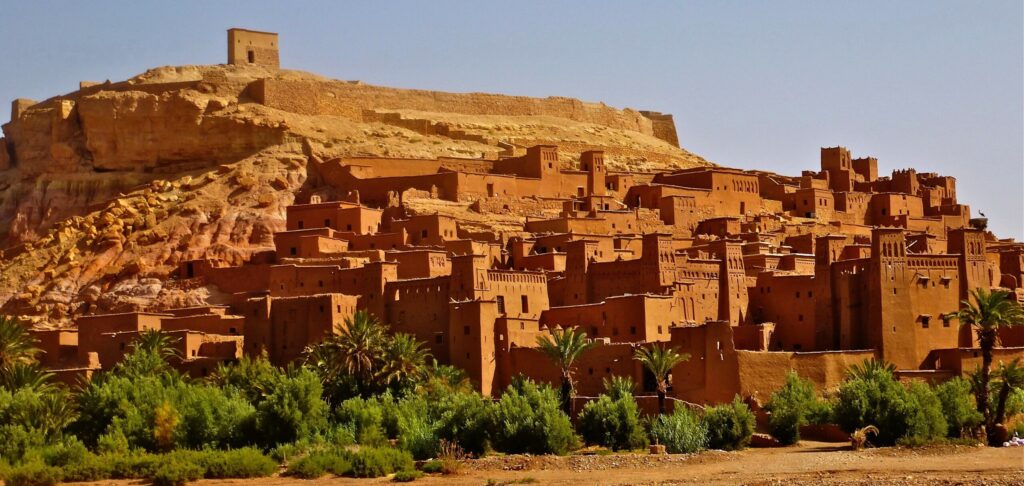
- Dades Valley: Known as the “Valley of a Thousand Kasbahs,” featuring unique rock formations and traditional architecture.
- Paradise Valley: A lush oasis near Agadir with natural pools and waterfalls.
🏙️ Morocco Must-See Cities
- Marrakech: The “Red City,” famous for its bustling Djemaa el-Fna square, vibrant souks, and stunning palaces. (Vibrant, Historic, Sensory)
- Fes: Morocco’s oldest imperial city, home to the sprawling Fes el-Bali medina, ancient tanneries, and rich artisanal traditions. (Traditional, Cultural, Authentic)
- Casablanca: Morocco’s largest city and economic hub, blending Art Deco architecture with modern dynamism, home to the Hassan II Mosque. (Modern, Economic, Coastal)
- Chefchaouen: The “Blue Pearl,” a picturesque town nestled in the Rif Mountains, famous for its blue-painted buildings. (Picturesque, Serene, Unique)
- Essaouira: A charming coastal town with a historic medina, vibrant fishing port, and strong Atlantic winds popular with surfers. (Coastal, Artsy, Breezy)
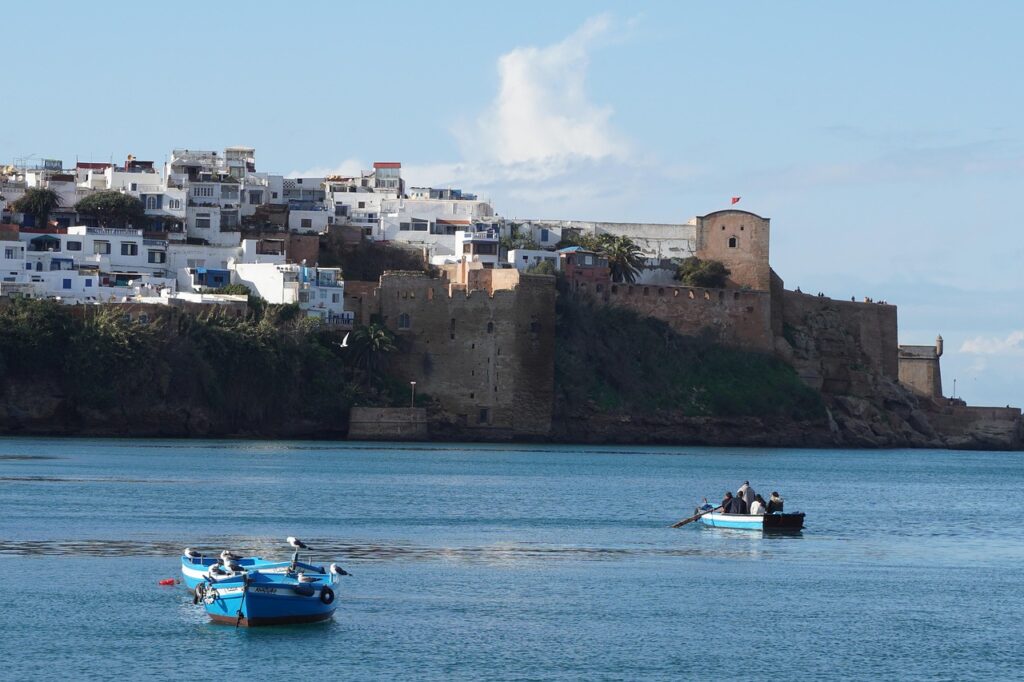
- Rabat: The capital city, offering a blend of modern sophistication and historic sites, including the Oudayas Kasbah and Hassan Tower. (Capital, Elegant, Coastal)
🏞️ Morocco National Parks & Nature Reserves
- Toubkal National Park: Home to Mount Toubkal, North Africa’s highest peak, offering challenging treks and Berber villages.
- Souss-Massa National Park: A coastal park known for its birdlife, including the endangered Northern Bald Ibis.
- Tazekka National Park: Features diverse forest landscapes and the impressive Friouato Caves.
🏛️ UNESCO World Heritage Sites
- Medina of Fez — A sprawling, well-preserved medieval city.
- Medina of Marrakesh — Imperial city with vibrant squares and souks.
- Ksar of Ait-Ben-Haddou — A fortified clay village, iconic in cinema.
- Historic City of Meknes — Another imperial city with grand gates and palaces.
- Rabat, Modern Capital and Historic City: A Shared Heritage — Blend of Islamic and European architectural styles.
- Archaeological Site of Volubilis — Well-preserved Roman ruins.
- For a complete list and more details, visit the official UNESCO World Heritage Centre for Morocco.
🖼️ Morocco Museums & Galleries
- Yves Saint Laurent Museum (Marrakech): Dedicated to the life and work of the iconic fashion designer, adjacent to the Jardin Majorelle.
- Dar Batha Museum (Fes): Housed in a former palace, showcasing traditional Moroccan arts and crafts.
- Mohammed VI Museum of Modern and Contemporary Art (Rabat): Morocco’s first large-scale museum dedicated to modern and contemporary art.
- Museum of Moroccan Arts (Tetouan): Features traditional crafts, costumes, and jewelry.
🎉 Morocco Festivals & Celebrations
- Gnaoua World Music Festival (Essaouira): (June) An internationally acclaimed festival celebrating Gnaoua music and culture.
- Marrakech Popular Arts Festival: (July) Showcases traditional Moroccan music, dance, and storytelling in various venues.
- Rose Festival (El Kelaat M’Gouna): (May) Celebrates the annual rose harvest with parades, music, and traditional dances.
- Fes Festival of World Sacred Music (Fes): (June) A renowned festival featuring spiritual music and arts from around the globe.
🧽 How to Arrive
- ✈️ By Air
- Main International Airports: Mohammed V International Airport (CMN) (Casablanca), Marrakech Menara Airport (RAK), Fes Saiss Airport (FEZ), Rabat–Salé Airport (RBA).
- Airlines offering regular connections (examples, check for current routes): Royal Air Maroc (national carrier), Air France, Ryanair, easyJet, British Airways (BA), KLM, Qatar Airways (QA), Emirates, Turkish Airlines, and many others from major global hubs.
- For comprehensive flight search, use: Skyscanner, Google Flights.
- 🚆 By Rail
- International Rail Connections: No direct international rail connections; connections via ferry from Spain.
- Key Domestic Lines and Scenic Trains: The ONCF (National Office of Railways) operates a modern and efficient rail network, including the high-speed Al Boraq train connecting Tangier, Rabat, and Casablanca. Trains are comfortable for inter-city travel.
- 🚗 By Road
- Border Crossings: Accessible by road from the Spanish enclaves of Ceuta and Melilla, or via ferry from Spain which allows bringing a car.
- Toll Info: Major highways (autoroutes) are toll roads.
- Best Self-Drive Routes: Exploring the Atlas Mountains, the Dades Valley, or the coastal roads between Essaouira and Agadir. Driving is on the right.
📶 Stay Connected
- SIM Cards & Telecom
- Top Providers: Maroc Telecom, Inwi, Orange Maroc.
- Tourist SIMs and Data Package Options: Prepaid SIM cards with various data, call, and text packages are readily available for tourists.
- Where to buy: Easily purchased at major international airports upon arrival, official operator stores in cities, and some small shops. Bring your passport for registration.
- eSIM: Some major providers may offer eSIM activation. Check their official websites or inquire in-store for tourist eSIM plans.
🏨 Where to Stay
Morocco offers a diverse range of accommodations, from traditional riads and guesthouses to luxurious international hotels and unique desert camps.
- Notable Hotel Chains (local or international): Mandarin Oriental, Royal Mansour, Four Seasons, Marriott International, Hilton Worldwide, Accor Hotels, and numerous other international brands.
- Tips: Riads vs. Resorts:
- Riads: Experience authentic Moroccan hospitality in traditional guesthouses with interior courtyards, especially in Marrakech and Fes.
- Desert Camps: For an unforgettable Sahara experience, stay in a traditional or luxury desert camp.
- Kasbah Hotels: Unique stays in fortified traditional houses, particularly in the Dades and Draa valleys.
⛳ Unique Finds
- Experiences
- Sahara Desert Camel Trek: An iconic overnight or multi-day journey into the dunes.
- Traditional Hammam Experience: Indulge in a local public bathhouse for a cleansing and relaxing ritual.
- Fes Tannery Visit: Witness the ancient and vibrant Chouara Tannery in Fes.
- Cooking Class (Tagine/Couscous): Learn to prepare classic Moroccan dishes.
- Workshops/Tours
- Pottery Workshop (Safi): Explore Morocco’s ceramics traditions in a renowned pottery town.
- Argan Oil Cooperative Visit: Learn about argan oil production in rural areas, often run by women’s cooperatives.
🤝 Morocco Cultural Guidance
- Greetings: A polite “Salam Alaikum” (peace be upon you) is always appreciated. A handshake is common.
- Dress Modestly: Especially outside major tourist areas and when visiting religious sites, modest clothing (covering shoulders and knees) is recommended.
- Bartering in Souks: Haggling is expected and part of the shopping experience in the souks. Be polite and enjoy the process.
- Photography: Always ask permission before taking photos of people, especially women.
- Religious Customs: Be mindful of prayer times, especially during Ramadan. Avoid public displays of affection.
- Basic Phrases (Darija – Moroccan Arabic / French):
- Hello: “Salam Alaikum”
- Thank you: “Shukran”
- Please: “Afak”
- Excuse me/Sorry: “Smahli” (informal), “Afwan” (polite response to thank you)
- Do you speak English?: “Wash kat’tahdar b’el Inglizia?” (Darija), “Parlez-vous anglais?” (French)
🛂 Morocco Entry & Visa Requirements
Morocco has a generally straightforward visa policy.
- Visa-Free for: Citizens of many countries, including the US, Canada, UK, Australia, New Zealand, EU countries, and numerous others, can enter Morocco for short stays (typically up to 90 days) for tourism purposes without a visa.
- Visa required for: Citizens from countries not on the visa-waiver list.
- Official Source: For the most current and specific visa information based on your nationality, always consult the official website of the Moroccan Ministry of Foreign Affairs or your country’s nearest Moroccan Embassy/Consulate.
💰 Practical Essentials
- Currency: Moroccan Dirham (MAD). It is a closed currency, meaning it can only be bought and sold within Morocco.
- Electricity: Type C (two round pins) and Type E (two round pins with a hole for the socket’s earthing pin) sockets. Voltage is 220V at 50Hz.
- Taxes: A tourism tax and VAT (TVA) are generally included in hotel and product prices.
- Safety: Morocco is generally safe for tourists, but petty crime (pickpocketing, bag snatching) can occur in crowded areas. Be wary of unofficial guides or scams, especially in medinas. For specific advisories, check your government’s travel warnings, e.g., US Department of State Travel Advisories for Morocco.
✨ Bonus Tip
To truly experience Morocco, allow yourself to get lost – deliberately. Wander the labyrinthine alleys of a medina without a map, let the scents of spices and leather guide you, and engage in spontaneous conversations. It’s in these moments of unplanned discovery and sensory immersion that the profound magic and evolution of Morocco truly reveal themselves.
🔗 Featured Links
- Official Resources:
- National Tourism Board: Visit Morocco
- Safety & Travel Advisories: Your Country’s Government Travel Advisory for Morocco
- Digital Nomad Info: Morocco offers a Digital Nomad Visa. Consult official Moroccan government sites for details.
🌐 Around the World with Beyondia Video Episodes
- Casablanca 🇲🇦 The Mosque Built on Water That Shocked the World
 Season 1
  49
49 - Rabat 🇲🇦 44 Meters of Unfinished Ambition Season 1 50
- Chefchaouen 🇲🇦 The Town That Was Closed to Outsiders for 450 Years Season 1 51

Beyondia
Trusted Travel CompanionReal digital nomad. I travel. I learn. I grow.
What about you? Where are you going?