GoBeyondia Atlas 🗺️ South-East Asia 🗾
Philippines: An archipelago shaped by tides, warmth, and resilience.
Philippines in 30 seconds
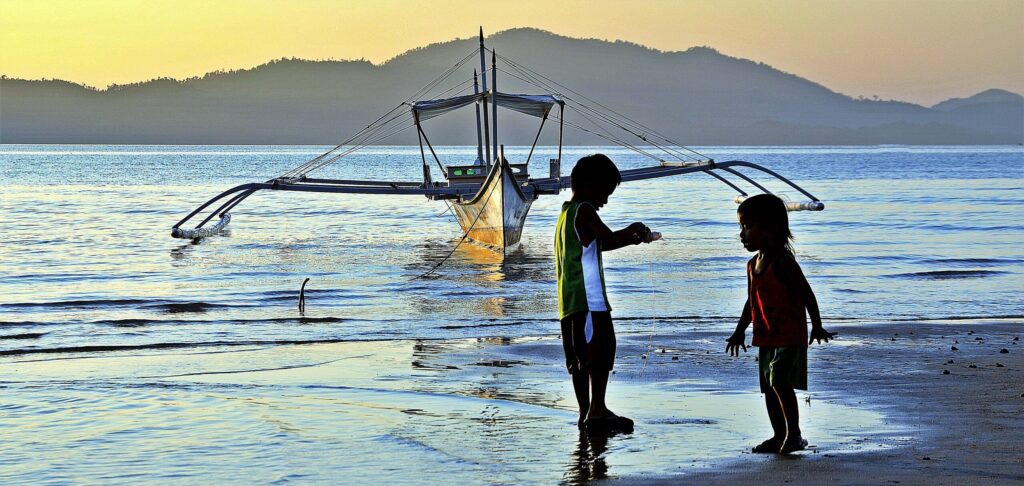
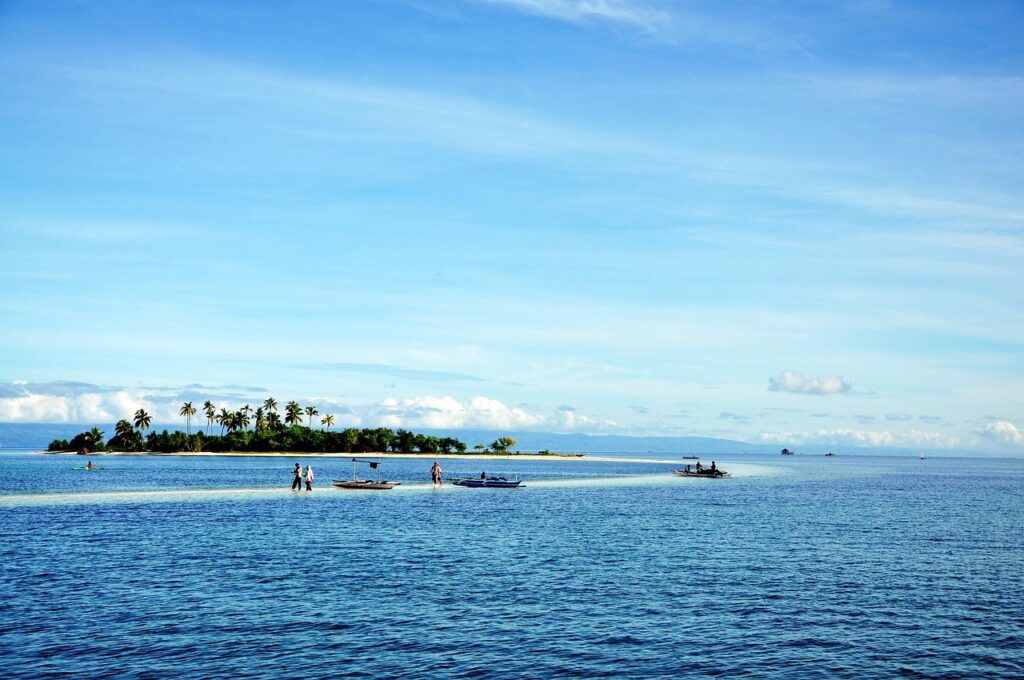
The Philippines is built around water. Over 7,000 islands stretch across turquoise seas, where movement happens by boat as often as by road. Life feels open — conversations are easy, hospitality immediate. Typhoons come and go, yet communities rebuild with steady optimism. Nature dominates the horizon — cliffs, lagoons, coral reefs. The Philippines doesn’t try to impress with complexity. It welcomes with openness — and endless coastline.
Evoke – Why You Visit Philippines
You come to the Philippines because you’ve forgotten what genuine warmth feels like. Not customer service warmth, not networking warmth, not the performed friendliness of people who want something from you. Real warmth. The kind that makes a stranger feel like family within minutes and makes leaving feel like a small heartbreak. You’ve been living in a world of transactional relationships and your soul is starving for something unconditional.
Explore – How You Experience Philippines
Arrive anywhere — it doesn’t matter where — and within an hour someone will invite you to eat. Say yes. Always say yes. Take a boat to a beach so empty your footprints are the only ones and the water is so clear you can count the fish from the surface. Dive in Tubbataha and see a reef so alive it looks like the ocean is dreaming in color. Ride a jeepney packed with twenty people and realize nobody is annoyed because proximity isn’t intrusion here, it’s community. Eat lechon at a fiesta you weren’t invited to but are now the guest of honor because the Philippines doesn’t do strangers.
Evolve – Who You Become in Philippines
You leave the Philippines more open. Your walls are lower. You say yes to invitations you would have declined. You stop calculating what people want from you and start assuming the best. The Filipinos taught you that warmth is not weakness — it’s the strongest thing a culture can be built on.
Your practical guide to Philippines starts bellow 👇
🕰️ Philippines Historical Backdrop
The Philippines’ history is a layered and complex saga of indigenous chiefdoms, extensive maritime trade, over three centuries of Spanish colonial rule, and a significant period of American influence. From the early Austronesian settlers to the establishment of sophisticated coastal societies, the archipelago was a crossroads of Asian trade long before the arrival of Europeans. The Spanish colonial era profoundly shaped the nation’s religion, culture, and architecture, leaving behind stunning baroque churches and a deep-rooted Catholic faith. The subsequent American period introduced new systems of education and governance. Its story is told in the ancient rice terraces of the Cordilleras, the walled city of Intramuros in Manila, the colorful jeepneys that ply its streets, and the unwavering resilience and warmth of the Filipino people. Through centuries of change, what endures is a unique fusion of East and West, a profound sense of community (bayanihan), and a deep love for family, faith, and festivity.
🌟 Philippines Local Experiences
Beyond the Philippines’ world-class beaches, discover its soul in the joyful chaos of a local fiesta celebrating a patron saint, the shared experience of a “boodle fight” (communal meal on banana leaves), or the infectious energy of a karaoke session with new friends. Experience the daily life of Manila by riding a colorful jeepney, witness the deep devotion of a Good Friday procession, or learn about traditional rice farming in the northern mountains. These are the textures, shared moments, and profound connections that reveal the Philippines’ unique spirit, inviting you to connect with its enduring hospitality and vibrant zest for life.
🌄 Philippines Natural Wonders
- Palawan’s Lagoons & Islands (El Nido & Coron): Famous for dramatic limestone karst landscapes, hidden lagoons, and crystal-clear turquoise waters.
- Chocolate Hills of Bohol: A unique geological formation of over 1,200 uniform, cone-shaped hills that turn brown in the dry season.
- Puerto-Princesa Subterranean River: A UNESCO World Heritage site, one of the world’s longest navigable underground rivers flowing through a spectacular cave.
- Banaue & Batad Rice Terraces: 2,000-year-old rice terraces carved into the mountains of Ifugao, often called the “Eighth Wonder of the World.”
- Mayon Volcano: A perfectly conical active volcano in Albay, renowned for its symmetrical beauty.
- Tubbataha Reefs Natural Park: A UNESCO World Heritage site, a pristine atoll reef with spectacular marine biodiversity, accessible only by liveaboard boats.
🏙️ Philippines Must-See Cities
- Manila: (Capital) A sprawling, energetic metropolis blending the historic walled city of Intramuros with modern skyscrapers, vibrant markets, and a dynamic arts scene. (Historic, Urban, Dynamic)
- Cebu City: The “Queen City of the South,” a major hub known for its historical landmarks, lively festivals (Sinulog), and as a gateway to stunning beaches and dive spots. (Historic, Festive, Gateway)
- Vigan: A UNESCO World Heritage city, the best-preserved example of a planned Spanish colonial town in Asia, with cobblestone streets and horse-drawn carriages. (Colonial, Historic, Charming)
- El Nido (Palawan): A breathtaking municipality famous for its stunning natural beauty, serving as the main base for island-hopping tours in Bacuit Bay. (Natural, Island, Adventure)
- Davao City: A large, modern city in Mindanao known for its safety, durian fruit, and as a gateway to Mount Apo and the Philippine Eagle Center. (Urban, Nature, Gateway)
🏞️ Philippines National Parks & Nature Reserves
- Puerto-Princesa Subterranean River National Park: A protected area in Palawan featuring a spectacular limestone karst landscape with an underground river.
- Tubbataha Reefs Natural Park: A protected marine and bird sanctuary in the Sulu Sea, a world-class diving destination.
- Mount Apo Natural Park: Home to the Philippines’ highest peak, an active volcano with diverse ecosystems and a significant cultural site for indigenous tribes.
- Apo Island Marine Reserve: A community-organized marine sanctuary famous for its sea turtle populations and vibrant coral reefs.
🏛️ UNESCO World Heritage Sites
- Baroque Churches of the Philippines — Four Spanish-era churches in Manila, Ilocos Sur, Ilocos Norte, and Iloilo.
- Historic City of Vigan — An exceptionally intact Spanish colonial trading town.
- Rice Terraces of the Philippine Cordilleras — Ancient, living cultural landscapes.
- Puerto-Princesa Subterranean River National Park — A unique natural wonder with a spectacular underground river.
- Tubbataha Reefs Natural Park — A pristine marine sanctuary with outstanding biodiversity.
- For a complete list and more details, visit the official UNESCO World Heritage Centre for the Philippines.
🖼️ Philippines Museums & Galleries
- National Museum Complex (Manila): Comprises the National Museum of Fine Arts, National Museum of Anthropology, and National Museum of Natural History.
- Ayala Museum (Makati): Features dioramas of Philippine history and collections of Filipino art and culture.
- Pinto Art Museum (Rizal): A contemporary art space set in beautiful mission-style buildings and lush gardens.
- Bahay Nakpil-Bautista (Manila): A beautifully preserved heritage house in the Quiapo district, offering a glimpse into turn-of-the-century Filipino life.
🎉 Philippines Festivals & Celebrations
- Sinulog Festival (Cebu): (January) One of the country’s grandest festivals, honoring the Santo Niño (Child Jesus) with vibrant street parades and dancing.
- Ati-Atihan Festival (Aklan): (January) A vibrant festival where participants paint their faces with soot and wear indigenous costumes.
- Pahiyas Festival (Lucban): (May) A colorful harvest festival where houses are decorated with fruits, vegetables, and colorful rice wafers (kiping).
- Holy Week (Semana Santa): (March/April) Observed nationwide with solemn processions, passion plays, and religious rituals.
🧽 How to Arrive
- ✈️ By Air
- Main International Airports: Ninoy Aquino International Airport (MNL) (Manila), Mactan-Cebu International Airport (CEB), Clark International Airport (CRK).
- Airlines offering regular connections (examples, check for current routes): Philippine Airlines (national carrier), Cebu Pacific, AirAsia Philippines, Emirates, Qatar Airways (QA), Turkish Airlines, Singapore Airlines, Cathay Pacific, KLM.
- For comprehensive flight search, use: Skyscanner, Google Flights.
- 🚆 By Rail
- International Rail Connections: None.
- Key Domestic Lines: The Philippine National Railways (PNR) operates a limited network, primarily on the island of Luzon.
- 🚗 By Road
- Border Crossings: Not applicable as the Philippines is an archipelago.
- Toll Info: Major expressways on Luzon have tolls.
- Best Self-Drive Routes: Self-driving can be challenging due to traffic and road conditions. Hiring a car with a driver is a common and recommended alternative. Driving is on the right.
📶 Stay Connected
- SIM Cards & Telecom
- Top Providers: Globe Telecom, Smart Communications.
- Tourist SIMs and Data Package Options: Prepaid SIM cards with tourist-focused data packages are widely available and affordable.
- Where to buy: Easily purchased at airports upon arrival, official operator stores in malls, and convenience stores. Bring your passport for registration.
- eSIM: Both major providers support eSIM activation.
🏨 Where to Stay
The Philippines offers a vast range of accommodation, from luxurious beachfront resorts and high-rise city hotels to charming boutique guesthouses and rustic island bungalows.
- Notable Hotel Chains (local or international): Shangri-La Hotels and Resorts, Aman Resorts, Marriott International, Hilton Worldwide, Accor Hotels, and local brands like Seda Hotels.
- Tips: Island Resorts vs. City Hubs:
- Palawan/Boracay: Choose from luxury resorts with private beaches, dive resorts, or charming beachfront bungalows.
- Manila/Cebu: Opt for modern hotels in business districts like Makati or BGC, or boutique hotels with local character.
- Unique Stays:
- Bahay Kubo (Nipa Huts): Stay in traditional Filipino stilt houses for a rustic experience.
- Island Glamping: Experience luxury camping on secluded beaches.
- Eco-lodges: Stay in sustainable lodges in jungle or mountain settings.
⛳ Unique Finds
- Adventure & Marine Experiences
- Swimming with Whale Sharks (Donsol/Oslob): Encounter the gentle giants of the sea (choose ethical tour operators).
- Tarsier Spotting (Bohol): See one of the world’s smallest primates in its natural habitat.
- Island Hopping (Banca Tours): Explore countless islands, lagoons, and secret beaches on traditional outrigger boats.
- Canyoneering (Kawasan Falls, Cebu): A thrilling adventure of jumping, swimming, and rappelling through canyons and waterfalls.
- Cultural & Culinary Experiences
- “Dampa” Seafood Paluto Experience: Buy fresh seafood from a market and have it cooked to your liking at a nearby restaurant.
- Ride a Jeepney: Experience the Philippines’ most iconic form of public transportation.
- Visit a “Sabong” (Cockfight): Witness a deeply ingrained, albeit controversial, part of local culture (for observant travelers).
🤝 Philippines Cultural Guidance
- Greetings: A friendly smile and “hello” or “kamusta” are common. The “Mano Po” gesture (taking an elder’s hand to one’s forehead) is a sign of deep respect.
- “Bayanihan” Spirit: This refers to a spirit of communal unity and cooperation. Hospitality is paramount.
- Face & Respect: Maintaining smooth interpersonal relations is important. Avoid public confrontation or causing someone to “lose face.”
- Tipping Norms: Tipping is appreciated but not always expected. A 10% tip is customary in restaurants if a service charge isn’t included. Rounding up fares for taxis is common.
- Family-Centric: Filipino culture is deeply family-oriented.
- Basic Phrases (Filipino/Tagalog):
- Hello: “Kamusta”
- Thank you: “Salamat” (or “Salamat po” for respect)
- Please: “Pakiusap”
- Excuse me/Sorry: “Pasensya na”
- Yes / No: “Oo” / “Hindi”
🛂 Philippines Entry & Visa Requirements
The Philippines has a visa-friendly policy for many nationalities.
- Visa-Free: Citizens of over 150 countries, including the US, UK, Canada, Australia, New Zealand, and all EU countries, can enter the Philippines visa-free for tourism for up to 30 days.
- Visa required for: Citizens from countries not on the visa-waiver list must apply for a visa at a Philippine embassy or consulate.
- Official Source: For the most current and specific visa information based on your nationality, always consult the official website of the Bureau of Immigration or the Department of Foreign Affairs.
💰 Practical Essentials
- Currency: Philippine Peso (PHP).
- Electricity: Primarily Type A (two flat parallel pins), Type B (two flat parallel pins with a round grounding pin), and Type C (two round pins) sockets. Voltage is 220V at 60Hz.
- Taxes: A 12% Value Added Tax (VAT) is included in the price of most goods and services.
- Safety: Be mindful of petty crime in urban areas. The country is in the Pacific Ring of Fire and the typhoon belt, so be aware of natural disaster risks, especially during the wet season (June-November). For specific advisories, check your government’s travel warnings, e.g., US Department of State Travel Advisories for the Philippines.
- Climate: Tropical maritime climate; hot and humid year-round, with a rainy season and a dry season.
✨ Bonus Tip
To truly embrace the Philippines, adopt the local “Bahala na” (come what may) attitude. Be open to spontaneity, embrace unexpected detours, and engage with the famously friendly locals. It’s in the unplanned moments—a shared song, a spontaneous invitation to a meal, or getting caught in a warm tropical rain shower—that the joyful, resilient spirit of the Philippines and your own evolving sense of adventure truly reveal themselves.
🔗 Featured Links
- Official Resources:
- National Tourism Board: Philippines Travel (Department of Tourism)
- Safety & Travel Advisories: Your Country’s Government Travel Advisory for the Philippines
- Digital Nomad Info: The Philippines is in the process of launching a Digital Nomad Visa. Consult official Philippine immigration or tourism sites for the latest updates.

Beyondia
Trusted Travel CompanionReal digital nomad. I travel. I learn. I grow.
What about you? Where are you going?