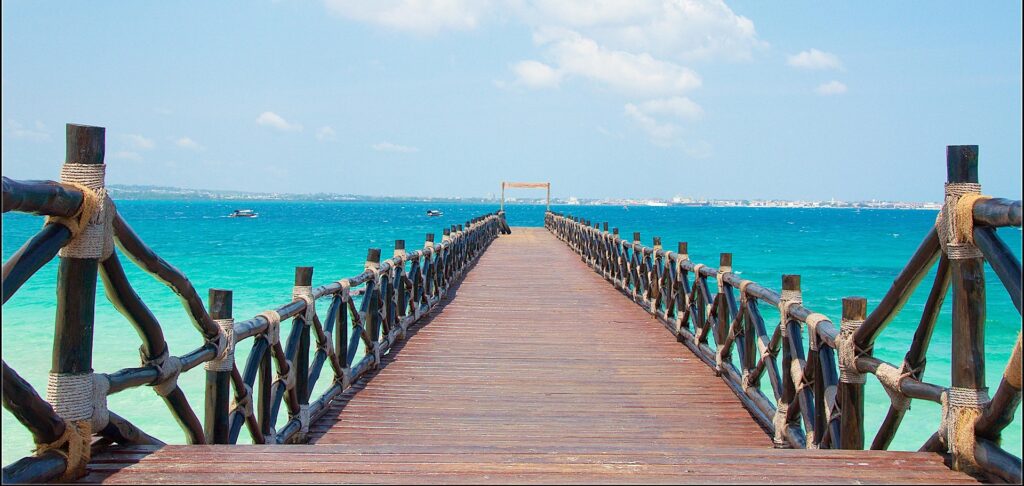
GoBeyondia Atlas 🗺️ Africa Region 🗾
Tanzania: Where the largest movement of biomass on Earth dictates the rhythm of the plains, the highest free-standing mountain in the world pierces the clouds, and the air of Zanzibar smells of cloves and centuries of trade.
Tanzania in 30 Seconds
Tanzania is East Africa’s “Primary Infrastructure” for wilderness—a country that has allocated nearly 40% of its land to protection, housing the world’s most iconic ecosystem. It is a land of superlative scale: the Serengeti hosts the Great Migration, where 1.5 million wildebeest act as a living ledger of the seasons; Ngorongoro Crater is a natural “Tier 1” enclosure where 25,000 large animals live inside a collapsed volcano; and Mount Kilimanjaro stands as a 5,895-meter vertical audit of human willpower. To the east, the Zanzibar Archipelago offers a “High-Margin” sensory escape, where the Indian Ocean’s turquoise waters meet a culture forged by Arab, Indian, and African exchange. This is a nation that has largely avoided the civil strifes of its neighbors, maintaining a “Defensive Staples” level of social stability through the unifying force of the Swahili language and a deep-seated pride in its diverse tribal heritage.
Evoke — Why You Visit Tanzania
You come to Tanzania because your life has become a series of “High-Frequency Monitoring” tasks—spreadsheets and the constant pings of a digital world. You’ve forgotten the Strategy of the Wild: that survival isn’t about the speed of the transaction, but the endurance of the cycle. Tanzania offers a Fundamental Quality Audit of your existence. In the presence of a lion pride or a migrating herd, your “long-term strategic objectives” are stripped down to the basics of breath, movement, and presence. You come because you need to witness a “Core Asset” that cannot be liquidated or replicated: the raw, unedited pulse of the planet. You’ve been living in a “High-Volatility Evaluation Period” in your career and property investments; Tanzania suggests that there is a deeper, ancient stability beneath the market noise. You come to trade your “Intraday Variance” for the “Inter-Generational Wisdom” of the bush.
Explore — How You Experience Tanzania
Witness the Great Migration in the Serengeti—watch as a million-strong “portfolio” of life crosses the Mara River, a high-risk/high-reward gamble against crocodiles and currents that defines the biological economy. Descend into the Ngorongoro Crater at dawn, a self-contained “Investment Fund” of biodiversity where lions, rhinos, and elephants coexist in a prehistoric caldera. Attempt the Lemosho Route on Kilimanjaro, a 7-day climb that serves as a literal “Operational Bandwidth Assessment,” testing your physical and mental limits as you move through five distinct climate zones. Retreat to Stone Town, Zanzibar, a labyrinth of carved teak doors and spice markets where you can conduct a “Sensory Audit” of the world’s oldest trade routes. Finally, sail a traditional Dhow at sunset off the coast of Nungwi, where the wind in the lateen sail is the only “Data-Driven Validation” you need to know that you are exactly where you are meant to be.
Evolve — Who You Become in Tanzania
You leave Tanzania with a permanent shift in your Internal Resource Allocation. You arrived obsessed with “Incremental Capital” and “Portfolio Expansion,” but you leave understanding that your most precious asset is your Wildness. Tanzania taught you the “Pole Pole” philosophy—that moving too fast is a “Deviation from Core Strategy” that leads to burnout and missed beauty. You come home and realize that while your property payments and Weatherford mandates are important, they are just the “secondary infrastructure” of your life. Your “Core Asset” is your health, your peace, and your connection to the primal world. You return as a “Strategic Conservationist” of your own energy, someone who knows when to migrate, when to hunt, and when to simply sit in the shade of a baobab tree and watch the world go by. You stop fighting the volatility of the world and start moving with its natural rhythms.
Your practical guide to Tanzania starts bellow 👇
🕰️ Tanzania Historical Backdrop
Tanzania’s history is a profound narrative of human origins and global trade. From the early hominid footprints in the Olduvai Gorge to the flourishing Swahili city-states that linked the African interior with Arabia, Persia, and India, the nation has always been a cultural powerhouse. Its story is told in the labyrinthine stone alleys of Zanzibar, the ancient ruins of Kilwa Kisiwani, and the visionary leadership of Julius Nyerere, who oversaw the peaceful union of Tanganyika and Zanzibar in 1964. Today, Tanzania stands as a beacon of stability and conservation, a nation that has dedicated over 30% of its land to protection, preserving a primal world where the rhythms of the Great Migration and the call of the wild remain the true masters of the landscape.
🌟 Tanzania Local Experiences
Beyond the vehicle window, discover Tanzania’s soul in the rhythmic storytelling of a Maasai elder under a starlit sky, the aromatic chaos of a spice market in Stone Town, or the exhilarating exhaustion of reaching Uhuru Peak at dawn. Experience the profound stillness of a walking safari in the Selous, the artisanal skill of Makonde woodcarvers, or the simple joy of sharing a meal of Ugali and Nyama Choma in a local village. Whether it’s learning to sail a traditional dhow or witnessing the sunrise over the Ngorongoro Crater, these moments reveal a nation that finds strength in its heritage and peace in its untamed nature.
🌄 Tanzania Natural Wonders
- Mount Kilimanjaro: The “Roof of Africa,” the world’s tallest free-standing mountain and a challenging pilgrimage for hikers.
- Serengeti National Park: A vast ecosystem hosting the largest terrestrial mammal migration in the world.
- Ngorongoro Crater: A breathtaking natural amphitheater formed from a collapsed volcano, teeming with high-density wildlife.
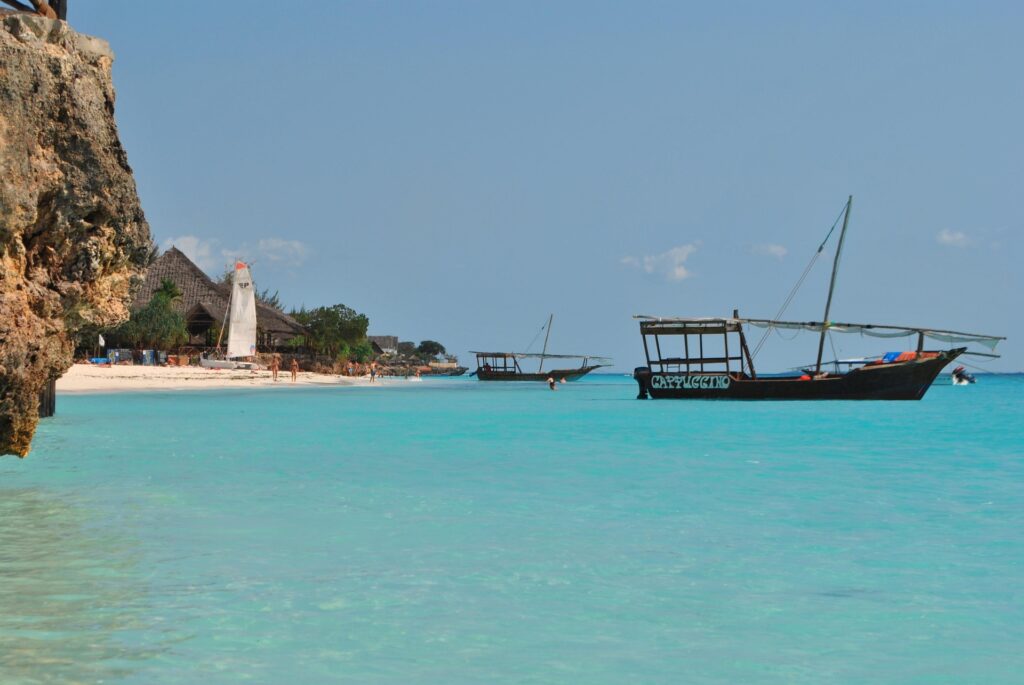
- Zanzibar Archipelago: Famed for its white-sand beaches, coral reefs, and the historic “Spice Island” heritage.
- Lake Victoria: Africa’s largest lake, offering tranquil scenery and a glimpse into local fishing cultures.
- The Great Rift Valley: A massive geological trench featuring dramatic escarpments and soda lakes like Lake Natron.
🏙️ Tanzania Must-See Cities & Regions
- Dar es Salaam: (Commercial Capital) A bustling port city where colonial history meets a modern, high-energy African metropolis. (Dynamic, Coastal, Hub)
- Stone Town (Zanzibar): A UNESCO-listed labyrinth of coral-stone houses, carved doors, and spice-scented alleys. (Ancient, Exotic, Historic)
- Arusha: The safari capital of the world, nestled at the foot of Mount Meru and serving as the gateway to the Northern Circuit. (Adventure, Lush, Gateway)
- Dodoma: The national capital, known for its wine industry and its role as the political heart of the country. (Political, Interior, Emerging)
- Mwanza: The “Rock City” on the shores of Lake Victoria, famous for its unique granite outcrops. (Lakeside, Scenic, Industrial)
🏞️ Tanzania National Parks & Nature Reserves
Managed with global leadership in conservation by TANAPA (Tanzania National Parks).
- Serengeti National Park: The ultimate stage for the Great Migration.
- Ngorongoro Conservation Area: A unique multiple land-use area where wildlife and Maasai co-exist.
- Nyerere National Park (formerly Selous): One of the world’s largest remaining wilderness areas.
- Tarangire National Park: Famous for its high concentration of elephants and iconic baobab trees.
🏛️ UNESCO World Heritage Sites
- Ngorongoro Conservation Area — A site of global importance for biodiversity and human evolution.
- Serengeti National Park — One of the world’s most impressive wildlife spectacles.
- Stone Town of Zanzibar — An outstanding example of the Swahili trading towns of the East African coast.
- Kilwa Kisiwani and Songo Mnara — Ruins of two great East African ports.
- Kondoa Rock-Art Sites — An exceptional sequence of paintings reflecting 2,000 years of history.
- For a full list, visit the UNESCO Tanzania Portal.
🖼️ Tanzania Museums & Galleries
- National Museum of Tanzania (Dar es Salaam): Essential for understanding the archaeological finds of Olduvai Gorge.
- The Cultural Heritage Centre (Arusha): A massive complex showcasing African art, sculpture, and the history of the continent’s tribes.
- Freddie Mercury Museum (Zanzibar): Located in the childhood home of the legendary Queen frontman.
🎉 Tanzania Festivals & Celebrations
- Zanzibar International Film Festival (ZIFF): (July) One of the largest cultural events in East Africa, celebrating cinema and music.
- Sauti za Busara (Zanzibar): (February) A premier African music festival held in the historic Old Fort.
- Nyerere Day: (October 14) A day of national reflection honoring the father of the nation.
- Great Migration Season: (Year-round, moving) The defining natural “festival” of the country.
🧽 How to Arrive
- ✈️ By Air
- Hubs: Julius Nyerere International (DAR) in Dar es Salaam, Kilimanjaro International (JRO) for safaris, and Abeid Amani Karume International (ZNZ) for Zanzibar.
- Airlines: Air Tanzania (Flag carrier), Precision Air, and major global carriers (Qatar Airways, Emirates, KLM, Ethiopian).
- 🚆 By Rail
- The TAZARA Railway connects Dar es Salaam with Zambia, offering one of Africa’s most epic long-distance train journeys.
- 🚢 By Sea
- Frequent high-speed ferries (Azam Marine) connect Dar es Salaam to Zanzibar (approx. 2 hours).
📶 Stay Connected
- SIM Cards: Major providers include Vodacom, Airtel, Tigo, and Halotel.
- Where to buy: Kiosks are available at all airports and in every town. Registration with a passport and fingerprint is mandatory.
- eSIM: Supported by Vodacom and increasingly available via international data apps like Airalo.
🏨 Where to Stay
Tanzania offers everything from ultra-luxury mobile tented camps to historic boutique hotels and island eco-lodges.
- Four Seasons Safari Lodge Serengeti: Luxury with a front-row seat to an active watering hole.
- Emerson Spice (Zanzibar): A beautifully restored merchant house in the heart of Stone Town.
- &Beyond Ngorongoro Crater Lodge: Often described as “Maasai meets Versailles” for its unique architecture.
- Public Campsites: For those seeking a raw, budget-friendly connection to the wild within the national parks.
⛳ Unique Finds
- Walking Safaris in Ruaha: One of the few places to experience the African bush on foot, led by expert rangers.
- The “Spice Tour” (Zanzibar): A sensory journey through plantations to see how cloves, nutmeg, and cinnamon grow.
- Chimpanzee Trekking (Gombe/Mahale): Visit the remote western forests where Jane Goodall conducted her groundbreaking research.
- Olduvai Gorge: Visit the “Cradle of Mankind” and see where the earliest evidence of human existence was found.
🤝 Tanzania Cultural Guidance
- Greetings: Manners are paramount. Always start a conversation with “Jambo” or “Habari.” For elders, use “Shikamoo” as a mark of respect.
- Right Hand Only: Always use your right hand for eating, greeting, and giving or receiving items.
- Dress Modestly: Especially in Zanzibar and coastal areas which are predominantly Muslim. Cover shoulders and knees when outside of resorts.
- Basic Phrases:
- Hello: “Jambo”
- How are you?: “Habari gani?”
- Thank you: “Asante sana”
- No problem: “Hakuna matata”
- Slowly, slowly: “Pole pole” (Essential for Kilimanjaro climbing)
🛂 Tanzania Entry & Visa Requirements
- e-Visa: Most nationalities can apply for a tourism visa online via the official Tanzania e-Visa Portal.
- Official Source: Consult the Tanzania Immigration Department.
💰 Practical Essentials
- Currency: Tanzanian Shilling (TZS). US Dollars (printed after 2006) are widely accepted for tours and hotels. Credit cards are accepted in major lodges, but cash is king for local markets.
- Electricity: Type G and Type D. Voltage is 230V.
- Safety: Tanzania is generally safe, but standard urban vigilance is advised in Dar es Salaam and Arusha.
- Health: Malaria is present; take prophylactics. A Yellow Fever certificate is required if arriving from an endemic country.
✨ Bonus Tip
To truly embrace Tanzania, master the art of “Pole Pole” (Slowly, Slowly). On the mountain, it is the secret to reaching the summit. On the savanna, it is the secret to spotting the leopard hidden in the branches. In Stone Town, it is the secret to enjoying a sunset coffee. Tanzania is not a place to be rushed; it is a place to be felt. It is in the slow, deliberate pace of the wild that the true, transformative pulse of the continent reveals itself.
🔗 Featured Links
- Official Tourism: Tanzania Tourism.

Beyondia
Trusted Travel CompanionReal digital nomad. I travel. I learn. I grow.
What about you? Where are you going?