🌐 Around the World with Beyondia 🧵 Nordic & Western Europe Region 🪡 Episode 74: Alta
Alta is a Norwegian town and municipality in Troms og Finnmark county, sitting at the head of the Alta fjord on the Arctic Ocean coast of northern Norway. The municipal population is approximately 21,500, with the town centre itself containing approximately 15,000 — the largest urban centre in Finnmark county, and one of the primary urban centres of Norwegian Sápmi (the traditional Sámi cultural region extending across northern Norway, Sweden, Finland, and the Kola Peninsula in Russia). Alta sits at approximately 69.97 degrees north latitude, well above the Arctic Circle (which crosses mainland Norway at approximately 66°33′N), and approximately 240 kilometres south of the North Cape (Nordkapp), the northernmost point of mainland Europe. The town serves as the administrative, commercial, and cultural centre of the western Finnmark region, and one of the primary Norwegian gateway airports for Arctic tourism.
Alta’s Specific Arctic Latitude
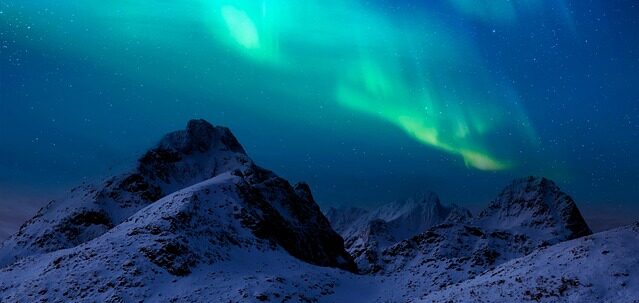
The specific Arctic latitude produces the daylight cycle that defines Alta’s specific character. Midsummer brings the true midnight sun from approximately 16 May to 26 July — 72 days when the sun does not set. Midwinter brings polar night from approximately 24 November to 18 January — 56 days when the sun does not rise above the horizon (though civil twilight provides some ambient light for a few hours around midday). The Northern Lights are visible from Alta between approximately mid-September and early April on approximately 200 nights per year (subject to cloud cover), making Alta one of the most reliable Northern Lights viewing locations on Earth. The specific combination — extreme northern latitude, polar night providing the darkness needed for auroral viewing, position within the auroral oval, and relatively frequent clear-sky periods due to Alta’s inland fjord position that reduces coastal cloud cover — established Alta as one of the primary Northern Lights research and tourism centres. The Alta observatory (Nordlysobservatoriet), established in 1899, was the first permanent Northern Lights research station in the world, and produced foundational research on auroral physics through the early 20th century.
Alta’s climate is subarctic but moderated by the North Atlantic Current. Winter temperatures average approximately -8°C in January, with cold snaps reaching -30°C or lower during specific weather patterns. Summer temperatures average approximately 13°C in July, with occasional peak days reaching 25°C. The fjord itself is deep and does not fully freeze in most winters, providing continuous shipping access even during the coldest months. Precipitation is relatively low (approximately 400 millimetres annually), producing the specific clear-sky periods that enable both Northern Lights viewing and the specific rock-carving preservation that has made Alta’s prehistoric art archaeologically significant.
Human Presence in Alta
Human presence in the Alta region dates from approximately the 10th millennium BC — around 10,000 to 11,000 years ago, when the Norwegian coast became ice-free after the last Ice Age and post-glacial human migration reached the Arctic. The specific archaeological record includes coastal settlement sites, tool-making sites, and burial sites documenting continuous occupation across approximately 12,000 years. The population who produced the Alta rock art between 5200 BC and 200 AD are the specific direct ancestors of the contemporary Sámi people, though the specific ethnic and linguistic continuity between prehistoric and historical populations involves substantial complexity that modern archaeology continues to investigate.
The Alta rock art was discovered gradually across the 20th century. Individual carvings had been known to local residents for generations, but the specific significance and scale of the concentration was only recognised through systematic archaeological survey beginning in 1973, when the initial main site at Hjemmeluft (Jiepmaluokta in Sámi, meaning “seal bay”) was documented. Subsequent surveys through the 1970s and 1980s identified additional sites at Storsteinen (“Great Stone”), Kåfjord, Amtmannsnes, and Transfarelv. The specific number of documented figures continues to grow as new sites are surveyed and previously documented sites are re-examined with improved techniques — current documentation includes approximately 6,000 individual figures across the specific sites, though the total continues to increase.
The Hjemmeluft site — the primary tourist access point and the largest single concentration — contains approximately 3,000 individual figures. The site is presented via wooden walkways constructed to allow visitors to view the carvings without walking on the rock surfaces themselves. The specific carvings at Hjemmeluft are distributed across specific elevation zones that correspond to specific historical periods: the highest carvings (approximately 26 metres above current sea level) date to approximately 5200-4200 BC, when post-glacial sea level was correspondingly higher; middle-elevation carvings date to approximately 4200-1700 BC; lower-elevation carvings date to approximately 1700 BC – 200 AD. The specific correlation between elevation and age reflects the ongoing post-glacial isostatic rebound — the specific process by which the Norwegian coast continues to rise approximately 5 millimetres per year as the crust rebounds from the weight of the vanished ice sheets that pressed down the surface during the Ice Age. The specific rebound has raised the shoreline progressively over the 5,000-year rock art production period, meaning that each generation of carvers worked on freshly exposed rock surfaces close to the contemporary shoreline.
The subject matter of the Alta rock art provides one of the more comprehensive visual records of prehistoric Arctic life anywhere. Reindeer figures — depicting the specific wild reindeer herds that were the primary prey species for prehistoric Arctic hunters — appear most frequently, with approximately 1,500 individual reindeer figures across the sites. The specific reindeer figures include hunting scenes (hunters with bows, spears, and specific hunting equipment), corral scenes (specific reindeer-driving structures used to trap migrating herds), and ritual scenes (reindeer figures in specific arrangements that appear to have shamanic or religious significance). Elk (moose) figures appear frequently at the earlier sites, reflecting the specific environmental conditions of the earlier post-glacial period when forest cover extended further north than today. Bear figures — depicted in specific human-like postures that reflect the specific role of bears in circumpolar shamanic religion — are among the more distinctive Alta subjects. Whale figures document the specific coastal marine hunting that supplemented terrestrial hunting. Boat figures — including specific detailed depictions of skin boats with multiple occupants — provide some of the earliest visual documentation of Arctic maritime technology. Human figures include hunters, dancers, and specific figures in ritual poses that have been interpreted as shamans.
Alta Rock Art
The specific artistic and cultural sophistication of the Alta rock art challenges standard assumptions about prehistoric Arctic societies. The specific figures are not primitive or crude — they display specific technical skill in rock carving, specific compositional sophistication in arranging multi-figure scenes, and specific symbolic complexity in the ritual and hunting scenes. The specific 5,000-year duration of the rock art tradition demonstrates a continuous cultural practice across approximately 200 generations, with specific stylistic continuities and specific evolutions across the period. The comparative context — Alta’s rock art is contemporary with Egyptian dynastic art, the Sumerian civilisation, the Indus Valley civilisation, and the specific Mediterranean Bronze Age cultures — reframes prehistoric Arctic Norway as one of the culturally productive regions of the ancient world, rather than as a peripheral outpost of European prehistory.
The 1985 UNESCO inscription of Alta rock art as Norway’s first World Heritage Site formalised the specific recognition. The inscription cited the specific “outstanding universal value” of the concentration for documenting hunter-gatherer societies at the Arctic coastline across 5,000 years. Subsequent expansions of the World Heritage Site have added additional documented rock art locations at Kåfjord, Storsteinen, Amtmannsnes, and Transfarelv. The Alta Museum (Alta Museum – World Heritage Rock Art Centre) at Hjemmeluft provides the primary interpretive infrastructure for visitors, with specific exhibits on the archaeology, the specific cultural context, and the specific ongoing conservation challenges.
Beyond the rock art, Alta is one of the primary contemporary Sámi cultural centres. The Sámi are the specific Indigenous people of the traditional Sápmi region extending across northern Norway, Sweden, Finland, and the Kola Peninsula in Russia. Estimated Sámi population is approximately 80,000-100,000 total across the four countries, with approximately 40,000-60,000 in Norway. The specific Sámi languages (including Northern Sámi, spoken by approximately 20,000 people, plus specific smaller Sámi languages) are Finno-Ugric languages related to Finnish and Estonian, distinct from the Indo-European Scandinavian languages. Sámi traditional livelihoods include reindeer herding (which remains a specific legally protected Sámi occupation in Norway, Sweden, and Finland), fishing, hunting, and specific crafts (duodji). Contemporary Sámi society combines traditional practices with modern urban and professional life across the Sápmi region.
The specific Alta controversy (Alta-saken) of 1979-1982 was the defining conflict in modern Sámi political history, and Alta itself became one of the symbolic centres of Sámi rights recognition. The specific dispute concerned Norwegian government plans to construct a large hydroelectric dam on the Alta-Kautokeino river system, which would have flooded traditional Sámi reindeer grazing lands and the specific Sámi village of Máze. Sámi communities, allied with Norwegian environmental and Indigenous rights activists, mounted sustained protests including hunger strikes outside the Norwegian Parliament (October 1979), a specific occupation of the dam construction site at Stilla by approximately 800 activists (January 1981), and specific international campaigns that drew attention to Norwegian Indigenous rights policy.
The specific Alta protest was ultimately unsuccessful in stopping the dam — construction proceeded and the dam was completed in 1987 — but the specific political consequences fundamentally reshaped Norwegian Indigenous rights recognition. The specific Norwegian government established the Sámi Rights Committee in 1980 to examine Sámi legal status. The Sámi Language Act was passed in 1987 recognising Sámi as an official language in specific administrative areas. The Norwegian Sámi Parliament (Sámediggi) was established in 1989 as a specific consultative body representing Sámi interests. Norway ratified ILO Convention 169 concerning Indigenous and Tribal Peoples in Independent Countries in 1990, becoming the first country to ratify the convention. The Finnmark Act of 2005 transferred approximately 46,000 square kilometres of Finnmark county (approximately 96% of the county’s area) from state to local ownership through a specific Finnmark Estate arrangement that includes specific Sámi participation in land management decisions. These specific legal and institutional developments — collectively representing one of the more comprehensive Indigenous rights frameworks in Europe — trace substantially to the specific political mobilisation catalysed by the Alta controversy.
Contemporary Alta
Contemporary Alta reflects both the specific Sámi cultural presence and the specific Norwegian urban development that has shaped the town across the past 60 years. The specific town centre includes the Alta Museum (opened 1991, expanded 2011), the Northern Lights Cathedral (Nordlyskatedralen, opened 2013, designed by Danish firm Schmidt Hammer Lassen with specific titanium cladding referencing auroral colours), the University of Tromsø campus at Alta (Norway’s Arctic university has a specific Alta campus with approximately 1,500 students), the Alta Public Library, and specific commercial and residential districts. The specific contemporary population combines Sámi, Norwegian, and Finnish (Kven) heritage — Alta and western Finnmark historically had specific Finnish/Kven migration during the 18th-19th centuries, and Kven cultural heritage remains part of the specific regional identity.
The specific Alta Winter Festival (Alta Vinterfestival), held annually in April, is one of the primary Sámi cultural events in Norway. The specific programme includes Sámi music (particularly joik, the specific traditional Sámi vocal tradition), reindeer sledding demonstrations, ice sculpture, traditional food, and specific cultural presentations. The specific Borealis Vinterfestival (also April) provides additional Northern Lights and winter cultural programming. The specific Riddu Riđđu festival, held annually in July at Kåfjord approximately 200 kilometres southwest of Alta, is one of the primary international Indigenous cultural festivals with substantial Sámi programming and international Indigenous representation.
The economic base of contemporary Alta includes tourism (Northern Lights and midnight sun viewing, dog sledding, snowmobile tours, cultural tourism, rock art tourism — approximately 300,000 annual visitors), public sector employment (regional administration, education, healthcare), slate quarrying (the specific Alta slate industry produces the distinctive dark schist stone used across Norwegian construction and specific European export markets), and the specific service economy supporting the broader Finnmark region. The 2018-2020 Norwegian county reorganisation merged Finnmark with Troms into Troms og Finnmark county, with substantial local political controversy about the loss of Finnmark’s specific administrative identity — the specific counties were formally re-separated in 2024, restoring Finnmark’s specific administrative status.
The specific ongoing negotiations of contemporary Alta life include the tension between resource extraction and Sámi rights (with specific ongoing debates about mining, wind power, and other developments on traditional Sámi lands), the specific climate change impacts on Arctic ecosystems (with documented effects on reindeer herding, fishing, and traditional Sámi livelihoods), the specific balancing of tourism development with community sustainability (with pressures similar to those documented at Lofoten Ep 73 and Westfjords Ep 68), and the specific ongoing revitalisation of Sámi language and culture after approximately 150 years of Norwegian assimilation policies that suppressed Sámi identity through the specific “Norwegianisation” (fornorskning) policies of the 19th and early 20th centuries.
Alta is one of the demonstrations of what continuous human cultural presence in an Arctic environment can produce across 12,000 years. The prehistoric rock art carved between 5200 BC and 200 AD documents approximately 5,000 years of continuous cultural production by peoples whose descendants include the modern Sámi. The specific 6,000 figures at the Alta sites represent the largest concentration of prehistoric rock art in Northern Europe, inscribed as Norway’s first UNESCO World Heritage Site in 1985. The subject matter — reindeer, elk, bear, whale, boats, human figures, hunting and ritual scenes — provides one of the more comprehensive visual records of prehistoric Arctic life anywhere on Earth. The 1979-1982 Alta hydroelectric controversy became the defining conflict in modern Sámi political history, catalysing the specific Norwegian legal and institutional developments (Sámi Parliament 1989, ILO Convention 169 ratification 1990, Finnmark Act 2005) that established one of the more comprehensive Indigenous rights frameworks in Europe. The contemporary Sámi cultural presence — combining traditional reindeer herding and joik singing with modern urban and professional life — reflects one of the more successful post-colonial Indigenous cultural continuities in Europe. And the specific Northern Lights viewing conditions (approximately 200 nights per year visibility, position within the auroral oval, clear-sky inland fjord location) have established Alta as one of the primary Arctic tourism destinations, drawing approximately 300,000 annual visitors to what remains a working Arctic community of approximately 21,500 residents.
Some places document the past as museum heritage. This one documents the past as continuous cultural presence — the descendants of the rock art carvers still living in the region, the Sámi language still spoken, the traditional livelihoods still practised, the specific political rights only recently formalised through Indigenous rights recognition. Some Arctic communities are peripheral to their national culture. This one has been one of the substantive centres of Indigenous rights political mobilisation in modern European history. Some places have prehistoric art. This one has prehistoric art documenting 5,000 years of continuous cultural production, contemporary to Egyptian pyramids and Sumerian ziggurats, made by ancestors of people who still live within walking distance of the carvings. Very few European places carry this specific accumulated inheritance across 7,000 years of continuous documented cultural presence.
Nine regions. One hundred and twenty destinations. Two hundred and eighty-seven weeks remaining.
The journey continues northeast to mainland Europe’s northernmost point. The next stop is the specific Arctic cape rising 307 metres directly from the Barents Sea at approximately 71 degrees north latitude, where the North European landmass ends and the Arctic Ocean begins — one of the most-visited Arctic tourism destinations in Europe, and one of the specific points where the extreme geography of the far north becomes directly experienceable at road’s end.
Where are you going?

Beyondia
Trusted Travel CompanionReal digital nomad. I travel. I learn. I grow.
What about you? Where are you going?