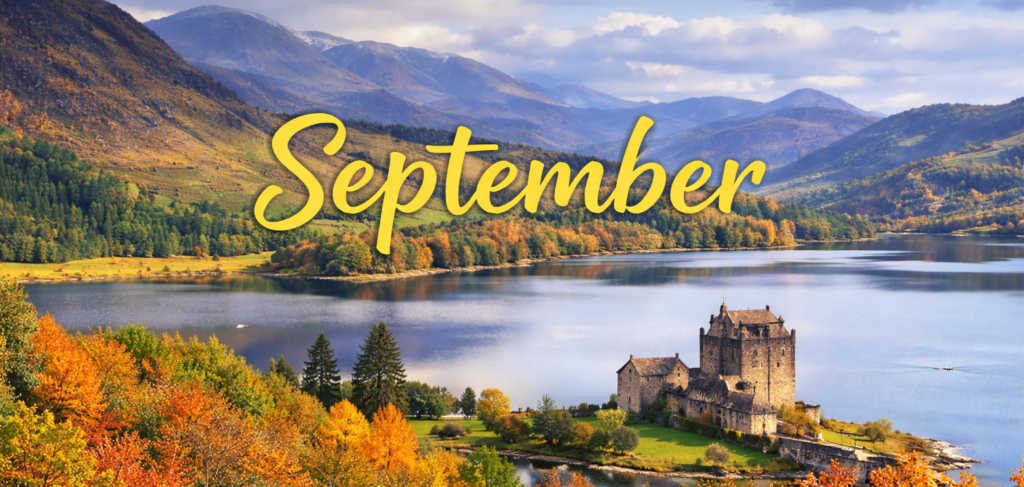
September is the month the world exhales. The school holidays end. The airports thin. The destinations that spent July and August at full capacity begin to remember what they look like when the crowd steps back. The light changes — lower, longer, more golden — and everything it touches looks more considered than it did in the high summer. Europe is still warm. Africa’s dry season is delivering its final weeks of prime game viewing. The Caucasus is at its most beautiful. South America’s dry season holds.
September is the conscious traveller’s month. The prices drop before the weather does. The crowds clear before the season closes. The destinations that required advance booking in August are available on shorter notice in September, and they look better in the light that the autumn angle produces. The summer visitor got the warmth. The September traveller gets the warmth and the space and the golden hour that lasts all day.
Twelve destinations. Twelve arguments for moving in the month that most people spend recovering from August.
Choose your September:
- Mediterranean + golden light: Greece, Italy, Croatia, Portugal
- Caucasus + discovery: Georgia, Armenia, Azerbaijan
- Ancient + dramatic: Morocco, Turkey, Peru
- Mountain + valley: Slovenia, Vietnam, France
Morocco: The Desert Comes Back to Life
Best for: Sahara, imperial cities, Atlas trekking, medina culture Go to: Fes · Merzouga · Chefchaouen Why September: summer heat retreating, desert nights cooling, crowds below spring levels, the medinas returning to their natural rhythm
Morocco in September is the country reclaiming itself after the summer — the heat that makes Marrakech and Fes punishing from June through August retreating to temperatures that return the medinas to the all-day proposition they are in the cooler months. September in Morocco sits in the specific window between the summer’s thermal deterrence and the October and November shoulder season that the travel industry has begun to market — quiet enough to feel discovered, warm enough to be entirely comfortable, the Sahara beginning its transition from the extreme summer heat to the cold-night clarity that defines the desert’s finest season.
Fes el-Bali in September — the medieval medina of 9,000 streets, the leather tanneries operating by the same Phoenician method since the 11th century, the Qarawiyyin university mosque established in 859 AD and claiming legitimately to be the oldest continuously operating educational institution in the world — receives September visitors in temperatures that the labyrinthine streets can be navigated across a full day without the retreat that August demands. The tanneries from the rooftop terrace of the surrounding leather shops in September morning light, the vats of natural dye below, the pigeons wheeling between the minarets — this is the Fes image that the travel media has been reproducing for decades and that September delivers without the crowd and without the heat.
Chefchaouen in September — the blue city in the Rif Mountains, the paint that covers every surface of the medina in the specific blue that the Jewish community who settled here in the 15th century brought from their tradition and that the city has maintained as identity since — sits in the mountain temperatures that the Rif delivers year-round but that September makes most comfortable for walking the steep streets from dawn to dusk. The road from Chefchaouen south through the cedar forests of the Middle Atlas to Fes, the Barbary macaques visible from the road in the cedars above Azrou, is the September drive that the summer heat makes impractical and the autumn rains make muddy. September is the window.
Temperatures: 18–28°C in Marrakech · 15–25°C in Fes · Cooler in the mountains
Read the full Morocco Travel Guide →
Vietnam: The Central Coast at Its Annual Finest
Best for: Hoi An, Da Nang beaches, Hue imperial city, northern highlands Go to: Hoi An · Hue · Ha Giang Why September: central Vietnam in its finest weather window, northern highlands approaching peak rice harvest colour, Ha Giang loop in full autumn glory
Vietnam in September divides along the same weather systems that define the country’s entire travel proposition — the south is entering its wet season, the north is approaching the spectacular rice harvest season, and the central coast sits in the dry weather window that makes Hoi An and Da Nang most accessible. The conscious traveller in September goes where the weather is rather than where the itinerary says, and in September that means the centre and the north.
Hoi An in September operates in the final weeks of the dry season that makes the ancient trading town fully navigable — the UNESCO heritage streets of the old town in the specific September light that the summer’s harsh sun softens to something the tilework and lanterns were designed to receive. The tailors who have been operating since the town was the most important trading port in Southeast Asia are in September available without the appointment queues that the July and August peak generates. The cooking schools that the town’s extraordinary food culture — Cao Lau, White Rose dumplings, Banh Mi — has spawned have availability. The boat trips on the Thu Bon River in the September evenings, the lanterns released onto the water on the 14th of the lunar month, are navigated without the summer’s density of competing vessels.
Ha Giang province in the northern highlands in September is approaching the moment — peaking in October — that the rice terraces carved into the Đồng Văn karst plateau produce the colour that the travel photography community has made one of the most recognisable images in Southeast Asian travel. September delivers the terraces in the week before harvest, the rice still standing gold against the limestone peaks of the UNESCO-recognised karst plateau, the minority communities of the Hmong and Lo Lo and Pu Peo peoples conducting the harvest in the specific September light that the altitude and the latitude combine to produce.
Temperatures: 22–28°C in the central coast · 18–25°C in the northern highlands
Read the full Vietnam Travel Guide →
Georgia: The Caucasus in Its Golden Hour
Best for: Kakheti harvest season, Tbilisi autumn, Svaneti trekking final weeks, ancient monasteries Go to: Kakheti · Tbilisi · Kazbegi Why September: the grape harvest transforms Kakheti — the wine region’s most important month, Tbilisi in its finest autumn condition, Svaneti trekking in the final clear window before the first snows
Georgia in September is the country at its most complete — the grape harvest that begins in late September in Kakheti transforms the wine region into the most vivid version of itself, the qvevri winemakers conducting the rtveli harvest in the Alazani Valley vineyards with the collective energy that the single most important agricultural event of the Georgian calendar generates. The harvest in Kakheti in September means the wineries are pressing the grapes that have been growing since the spring, the amber wines fermenting in the buried clay vessels that UNESCO recognised as an Intangible Cultural Heritage in 2013, and the winery doors open to the visitors who arrive during the most genuine version of the wine experience rather than the tasting-room version that the rest of the year provides.
Tbilisi in September carries the specific autumn energy of a city whose outdoor culture — the carved wooden balconies of Abanotubani, the wine bars of the Fabrika complex, the rooftop restaurants above the Mtkvari River — has been operating since May and in September reaches its most comfortable condition. The summer heat has relented. The autumn rains haven’t arrived. The city at 20–25°C in September is the version that the residents themselves describe as their favourite — the outdoor life fully operational, the light lower and warmer than the summer’s harsh midday, the evenings long enough to justify the rooftop tables that the winter will close in November.
Kazbegi in September — the Gergeti Trinity Church at 2,170 metres, the Greater Caucasus above it in the specific early autumn condition where the first snow has sometimes touched the peaks but the hiking trails remain open — is the mountain proposition in its final reliable window before the October snows that can close the roads. The walk from Stepantsminda village to the church in September morning light, the peaks visible without the summer haze that heat produces at altitude, is the Georgia that the landscape photographs are always attempting and that September delivers most consistently.
Temperatures: 18–26°C in Tbilisi · 14–22°C in Kakheti · Significantly colder in the mountains
Read the full Georgia Travel Guide →
Portugal: The Atlantic in Its Golden September
Best for: Lisbon, Porto, Douro Valley harvest, Alentejo, surf coast Go to: Lisbon · Douro Valley · Comporta Why September: Douro Valley grape harvest begins — the most beautiful month in the wine country, Lisbon at its finest before the autumn rains, sea still warm from the summer, crowds retreating
Portugal in September is the country in its finest sustained condition — the summer heat that pushes Lisbon past 35°C in July and August has retreated to the comfortable 22–26°C that makes the city fully walkable across the entire day, the Atlantic still warm enough for swimming at 20–21°C, and the Douro Valley in the grape harvest that the port wine lodges of Porto have been depending on since the 17th century. September in Portugal is the convergence of the best weather, the most beautiful seasonal event, and the beginning of the crowd retreat that makes the country accessible again after the summer’s peak.
The Douro Valley in September harvest — the schist terraces carved into the valley walls above the river, the port wine estates pressing the Touriga Nacional, Touriga Franca, and Tinta Roriz grapes that the specific geology and microclimate of the Douro produces, the lagares where the traditional foot-treading still occurs at some quintas in the harvest week — is the wine country experience that justifies the two-hour train from Porto along the river. The quintas are open to visitors during the harvest in a way that the rest of the year’s cellar-door experience approximates but doesn’t replicate — the activity, the juice, the specific September smell of fermentation beginning in the valley is the version that the wine lover plans a year in advance to experience.
Lisbon in September carries the festival season’s final events — the city’s summer outdoor concert programme in the parks and squares winding down, the Alfama neighbourhood in the September evenings returning to the fado music and the local restaurant pace that the summer’s tourist volume temporarily displaces. The pastéis de nata at Pastéis de Belém, consumed at the counter in the September warmth without the winter crowds or the summer queue, remain exactly as they should be.
Temperatures: 18–26°C in Lisbon · 16–24°C in Porto · Sea: 20–21°C
Read the full Portugal Travel Guide →
Peru: The Andes in Their Final Dry Month
Best for: Machu Picchu, Sacred Valley, Lake Titicaca, Colca Canyon, Amazon Go to: Cusco · Machu Picchu · Amazon basin Why September: the dry season’s final full month — the clearest skies of the year beginning to give way to the first clouds, the crowds retreating from August’s peak, prices and availability improving
Peru in September is the Andean dry season in its closing chapter — the skies that have been clear since May beginning to admit the first clouds that signal the wet season’s approach, the crowd that filled August’s Machu Picchu timed-entry slots retreating toward the northern hemisphere’s return to work and school, and the prices and availability that the peak summer months compressed beginning to soften. September in Peru is the dry season with the crowd removed — the weather still excellent, the sites still fully accessible, the experience more closely approximating what the destination actually is when it isn’t being shared with everyone who chose August.
Machu Picchu in September — the timed-entry slots available with shorter advance booking than August, the first slot at 5am still the correct choice — delivers the citadel in the transition between the pure dry season clarity and the first cloud that the approaching wet season admits. The mist that occasionally rises from the Urubamba valley below in September mornings, the citadel emerging from it as the sun clears the ridge above, is the Machu Picchu that the dry season’s cloudless skies — magnificent in their clarity — don’t produce. September occasionally provides both versions in the same morning.
The Amazon basin at Puerto Maldonado in September sits in the final weeks of the dry season that concentrates wildlife around the oxbow lakes — the giant river otters at Lake Sandoval, the macaws at the clay lick, the caiman on the riverbanks visible from the canoes that the Tambopata National Reserve’s guides operate at dawn. The jungle in September, before the wet season’s rains begin the growth cycle, is at its most open for wildlife observation — the forest floor visible through the undergrowth, the animal movement readable in the specific dry-season silence that the wet season’s rain noise replaces.
Temperatures: 6–20°C in Cusco · 12–22°C at Machu Picchu · 22–30°C in the Amazon · Cold nights at altitude
Read the full Peru Travel Guide →
Italy: La Bella Stagione
Best for: Tuscany harvest, Amalfi Coast, Venice, Sicily, northern lakes Go to: Tuscany · Venice · Sicily Why September: vendemmia grape harvest fills Tuscany and the wine regions, sea still warm, crowds retreating from the August peak, the country in its most beautiful sustained condition
Italy in September is the country Italians call la bella stagione — the beautiful season, the month when the summer heat relents, the harvest begins, and the destinations that July and August filled to the edges of their capacity begin to breathe again. The Italians themselves take September seriously. It is the month they return to their own country after the August exodus and find it, briefly, almost manageable. The conscious traveller who arrives in September is timing their visit to coincide with the version of Italy that the Italians prefer to the summer they spend hosting the rest of the world.
Tuscany in September carries the vendemmia — the grape harvest — in the Chianti Classico zone, the Brunello di Montalcino vineyards around the hilltop town, the Nobile di Montepulciano estates in the valley below. The harvest fills the air of the wine country with the smell of fermentation, the tractor-loads of Sangiovese moving between the vineyard rows and the cantina, the estate restaurants serving the September menu that the harvest defines — the bistecca Fiorentina, the white truffles that begin in September in the forests above San Miniato, the new olive oil that the October pressing will produce but that September anticipates. Driving the Via Chiantigiana between Siena and Florence in September, the vineyards turning from green to gold, is the Tuscany experience that the July photographs attempt in a landscape that is, in September, actually the colour they were trying to describe.
Venice in September — the September light on the lagoon, the facades of the Grand Canal in the specific autumn reflection that the summer’s harsh sun flattens — is the city after the summer crowd has cleared, before the autumn school trip season begins, and in the single month where the acqua alta flooding that defines the winter experience is still weeks away. The vaporetto without the summer queue, the Doge’s Palace in the September morning before the tour groups arrive, the Rialto market operating for the people who live there — September Venice is the city at the closest it comes in the modern era to the city that existed before it became its own museum.
Temperatures: 18–26°C in Rome · 16–24°C in Tuscany · 20–26°C in Sicily · Sea: 23–25°C
Read the full Italy Travel Guide →
Turkey: The Country at Its Shoulder Season Best
Best for: Istanbul, Cappadocia, Aegean coast, turquoise coast, Ephesus Go to: Istanbul · Cappadocia · Bodrum Why September: summer heat retreating, Aegean and Mediterranean coast at their finest, Istanbul without August density, Cappadocia balloon season at peak reliability
Turkey in September is the country returning to itself after the summer that the Mediterranean tourist industry produces at full volume along the Aegean and turquoise coasts. Istanbul in September — the summer heat retreating from the city’s 38°C August maximum to a navigable 22–26°C — is the Grand Bazaar, the Blue Mosque, the Hagia Sophia, and the Bosphorus ferry operating at the temperature where exploration is pleasurable rather than thermal management. The city of 15 million people in September carries the specific energy of a place that knows the summer is ending and the autumn’s cultural season — the museums, the concert halls, the galleries of the Beyoğlu district — is beginning.
The Aegean coast — Bodrum, Cesme, the turquoise coast south toward Antalya — in September carries the sea at 26–27°C, the warmest water temperature of the year, the summer crowd retreating from the beach towns while the conditions for which those towns exist remain at their peak. The gulet charter season — the traditional wooden sailing boats that cruise the bays and inlets of the Turkish coast between Bodrum and Fethiye — reaches its finest September conditions: the meltemi wind that drives the summer sailing dying to a more manageable breeze, the anchorages in the quiet bays freed of the August boat traffic, the fish restaurants on the dock at Göcek and Bozburun available without the summer’s reservation requirements.
Cappadocia in September is the hot air balloon season at its most reliable — the early morning flights that launch from the valleys between the fairy chimneys at dawn run more consistently in September’s stable atmospheric conditions than in any other month. The landscape below the balloon basket in September — the rhyolite formations, the cave dwellings carved into the tufa, the vineyards of Ürgüp in harvest — is at its warmest colour before the autumn deepens toward October’s more dramatic palette.
Temperatures: 20–27°C in Istanbul · 15–24°C in Cappadocia · 24–30°C on the Aegean coast · Sea: 26–27°C
Read the full Turkey Travel Guide →
Greece: The Aegean’s Finest Month
Best for: island hopping, ancient sites, Aegean sailing, sea swimming, autumn hiking Go to: Crete · Santorini · Peloponnese Why September: the finest month in the Greek calendar — summer warmth, retreating crowds, sea at its warmest, ancient sites fully accessible across the entire day
Greece in September is the Aegean proposition at its most complete — the sea temperature at its annual peak of 25–26°C, the summer crowd retreating from the islands while the conditions that drew them remain fully present, the ancient sites accessible across the entire day without the August heat that compresses the outdoor archaeology into the first and last hours of daylight. September is the month that experienced Greece travellers choose over every other, the convergence of best sea temperature, most manageable crowds, and most consistently beautiful light that the Greek calendar produces.
Santorini in September — the caldera views, the whitewashed Cycladic architecture, the Oia sunset that August’s crowd transforms into a competitive sport — operates at a fraction of the summer density while the conditions that made those crowds comprehensible remain entirely intact. The sunset from Oia in September is identical to the August version in every meteorological respect. The number of people photographing it simultaneously is considerably reduced. That reduction is the entire September proposition in its most concentrated form.
Crete in September carries the full island in its finest sustained condition — the Samaria Gorge open and passable in September temperatures that the July heat makes arduous, the beaches of the south coast accessible without the summer’s beach-towel density, the wine country of Heraklion in the early harvest. The Minoan palace of Knossos at 9am in September, the archaeological site in the specific light that the equinox approaches, the Palace of Minos’s throne room and the restored frescoes in the context of a site that was built four thousand years ago and operated continuously for a thousand years — September is Knossos with the time the archaeology deserves.
Temperatures: 22–28°C in Athens · 20–26°C on the islands · Sea: 25–26°C
Read the full Greece Travel Guide →
Croatia: The Adriatic’s Golden September
Best for: island hopping, Dubrovnik, Plitvice Lakes, sailing, truffle season Go to: Dubrovnik · Istria · Plitvice Lakes Why September: sea still warm, crowds retreating from August peak, Istria truffle season begins, Dubrovnik most accessible of the summer-adjacent months
Croatia in September is the Adriatic returning to its residents after the summer the tourist season has claimed. The sea at 23–24°C is still fully swimmable — warmer in September than in June, the accumulated summer heat stored in the Adriatic’s relatively shallow water and released gradually through the autumn. The islands that August operated at maximum ferry frequency and accommodation capacity in September begin to breathe — Hvar, Brač, Vis, Korčula still fully accessible by regular ferry but without the density that the school holiday peak produced.
Dubrovnik in September is the best version of the summer season available — the wall walk, the Stradun, the cable car to Mount Srđ all operating without the cruise ship volume that the August day-tripper arrivals generate in the hours between 10am and 4pm. September’s reduced cruise traffic means the old city at midday belongs to the staying guests rather than the arriving-and-departing masses. The sunset from the cable car station above the city in September, the terracotta rooftops and the Adriatic below, the island of Lokrum dark green in the water — this is the Dubrovnik image that August produces surrounded by 8,000 other people simultaneously experiencing it and that September delivers with room to stand still.
Istria in September — the peninsula in the northern Adriatic that the Romans, the Venetians, the Austro-Hungarians, and the Italians have all claimed and that Croatia now holds with the accumulated cultural identity of all of them — enters its truffle season. The white truffles of the Motovun forest, found from September through November, are served in the hilltop restaurants of Motovun, Grožnjan, and Roč in the specific form that Istrian cuisine has developed: shaved over pasta, over eggs, over risotto, in combinations that the truffle’s flavour dominates without competition. September Istria is the food and wine version of Croatia that the coast-focused summer itinerary consistently misses.
Temperatures: 20–26°C on the coast · Sea: 23–24°C · Cooler inland
Read the full Croatia Travel Guide →
France: La Rentrée and the Harvest
Best for: Burgundy and Bordeaux harvest, Paris in September, Provence post-summer, Alsace Go to: Paris · Burgundy · Provence Why September: la rentrée returns France to itself after August, Burgundy and Bordeaux grape harvest, Paris most Parisian in September, Provence lavender gone but the light remains
France in September undergoes la rentrée — the return, the word that the French use for the collective resumption of normal life after the August that the entire country takes off simultaneously. The restaurants reopen, the schools restart, the cultural institutions launch their autumn seasons, and Paris in particular becomes most recognisably itself. The city in September operates without the August tourist monoculture that the summer produces — the museums, the markets, the cafés in the arrondissements that the tourist circuit doesn’t prioritise, returning to the rhythm that makes Paris the city that the world keeps returning to regardless of how many times it has already been.
The Luxembourg Gardens in September morning light, the chestnut trees beginning their turn, the Sunday book market along the Seine bouquinistes, the Musée d’Orsay in the specific September attendance that allows the Impressionist galleries to be occupied at the pace the paintings deserve rather than the summer’s flowing crowd — this is Paris operating on its own terms rather than on the terms of its global reputation.
Burgundy in September carries the Pinot Noir harvest that the Côte d’Or’s limestone soils have been producing since the Cistercian monks established the wine culture in the 12th century. The Romanée-Conti vineyard at Vosne-Romanée, the Clos de Vougeot behind its medieval walls, the Beaune hospices that still fund their charitable work from the annual wine auction — Burgundy in September is the wine country in its most honest and most beautiful form, the harvest filling the air with the fermentation smell that the rest of the year’s cellar tours reference but cannot replicate. Driving the D122 through the Côte de Nuits in September, the vines in their turning colour, is the France that the Impressionists left Paris to find.
Temperatures: 15–22°C in Paris · 14–22°C in Burgundy · 18–26°C in Provence
Read the full France Travel Guide →
Slovenia: The Alps in Autumn Opening
Best for: Lake Bled autumn, Soča Valley, Ljubljana harvest festivals, wine country Go to: Lake Bled · Soča Valley · Maribor Why September: Lake Bled in autumn colour, Soča Valley at its most dramatic, Ljubljana’s autumn festivals, the country in its finest sustained condition before the winter closes the higher routes
Slovenia in September is the alpine country in the specific seasonal transition that the Julian Alps produce more dramatically than almost anywhere in Europe — the beech forests that surround Lake Bled and the Soča Valley beginning the colour change that October will complete, the combination of the remaining summer warmth and the first autumn colour creating a landscape that neither the full summer nor the full autumn delivers in the same form. Lake Bled in September, the island church in the reflection of water that the summer crowds have left and the autumn colours have begun to frame — this is the image that the travel photography of Slovenia consistently reaches for and that September most accurately provides.
The Soča River in September carries the reduced flow of the late summer that reveals the water colour most clearly — the glacial flour suspension that turns the river the specific emerald green that no other river in Slovenia or in the Alps produces in quite the same intensity. The kayaking and rafting operations that the June snowmelt volume powers down to a calmer but still entirely compelling September flow. The valley between Bovec and Kobarid in September, the autumn beginning in the forests above the river while the valley floor remains summer-warm, is the Soča at its most photogenic.
Maribor in the east of Slovenia in September — the second city, the wine capital, the Old Vine House on the bank of the Drava River containing the oldest productive grapevine in the world at over 450 years — enters the harvest festival that the Styrian wine region conducts with the seriousness of a culture that has been growing wine on these slopes since the Romans. The Old Vine’s grapes, harvested annually in October, produce a small quantity of wine that the City of Maribor presents to distinguished guests. September is the month before the harvest, the vine at its most laden and most photographed.
Temperatures: 12–20°C in Ljubljana · 10–18°C at Lake Bled · Cooler in the mountains
Read the full Slovenia Travel Guide →
Armenia: The Caucasus Harvest and Ancient Stone
Best for: Yerevan September energy, ancient monasteries, Ararat Valley harvest, Tatev Go to: Yerevan · Geghard · Tatev Why September: the Ararat Valley harvest season, Yerevan’s finest month, monastery landscapes in autumn colour, Tatev accessible in its best weather window
Armenia in September is the South Caucasus at its most complete — the Ararat Valley apricot and grape harvest filling the market stalls of Yerevan’s GUM market with the produce that the Ararat Valley’s volcanic soil and continental climate has been producing since the Bronze Age, the monasteries of the Armenian highlands in the specific September light that the summer’s harshness softens to something the medieval stone architecture was built to receive. Yerevan in September at 22–26°C is the city at its most liveable — the outdoor café culture of the Republic Square and the cascading staircase of the Cascade complex fully operational, the open-air concerts and the evening market of the Vernissage in their final active weeks before the autumn closes the outdoor life.
Tatev Monastery in southern Armenia — the 9th-century monastic complex perched on a basalt promontory above the Vorotan gorge, accessible via the Wings of Tatev aerial tramway that runs 5.7 kilometres above the gorge at 320 metres altitude, the longest non-stop double track cable car in the world — in September carries the surrounding Zangezur mountains in the early autumn colour that makes the journey itself the visual argument for the destination. The monastery at the end of the tramway, the medieval library and the gavit hall in the September light, the gorge 700 metres below — Tatev is the Armenia that the Yerevan circuit alone leaves undiscovered.
Geghard Monastery in September — the 4th-century rock-cut church in the Azat River gorge, the UNESCO-listed complex partially carved from the cliff face above the river, the acoustic properties of the carved chambers producing the choral resonance that the Armenian Apostolic liturgical music was composed for — receives September visitors in the light and temperature that allows the full circuit of the monastery grounds, the carved cross-stones in the gorge, and the springs that have been sacred since before the monastery was built. The priests at Geghard still conduct the liturgy. September is the month to attend it.
Temperatures: 18–26°C in Yerevan · Cooler in the mountains · Warm days, cool evenings throughout
Read the full Armenia Travel Guide →
Azerbaijan: The Caucasus Country in Its Finest Season
Best for: Baku old city, Sheki, Gobustan, mountain villages, Silk Road heritage Go to: Baku · Sheki · Lahij Why September: Baku’s finest month — the Caspian heat retreating, Sheki in harvest season, mountain villages accessible before the autumn closes the high roads, the country in its best sustained condition
Azerbaijan in September is the Caucasus discovery that September’s retreat from the better-known destinations makes most timely — the country that sits between Georgia and Iran, between the Caspian Sea and the Greater Caucasus, between the Silk Road’s Eastern and Western branches, in the specific September condition where the Caspian coastal heat that makes Baku punishing in July and August retreats to the navigable 22–26°C that returns the city’s outdoor culture to full operation.
Baku’s old city — the Icheri Sheher, the medieval walled city within the modern capital that UNESCO listed in 2000 — in September carries the specific September light that the limestone walls of the Maiden Tower and the Palace of the Shirvanshahs receive differently from the summer’s harsh overhead sun. The narrow streets of the old city in September morning light, the carpet sellers and the tea houses operating on the schedule that the medieval trading city established and the modern republic maintains, are the Baku that the oil boom’s glass towers surrounding the old walls leave in their most dramatic relief.
Sheki in the foothills of the Greater Caucasus in September — the caravanserai that the Silk Road’s merchants used, the Khan’s Palace with its shebeke stained glass windows assembled from thousands of pieces of coloured glass without adhesive or nails, the surrounding orchards in the harvest that September delivers — is in its finest sustained condition. The chestnut and walnut forests above the town turning in the early September colour, the mountain villages above Sheki accessible on the roads that the October rains begin to close — September is the Sheki window before the winter closes the higher routes and reduces the landscape’s reach. Azerbaijan in September is the Caucasus before it runs out of road.
Temperatures: 20–28°C in Baku · 15–22°C in Sheki · Cooler in the mountains
Read the full Azerbaijan Travel Guide →

Beyondia
Trusted Travel CompanionReal digital nomad. I travel. I learn. I grow.
What about you? Where are you going?