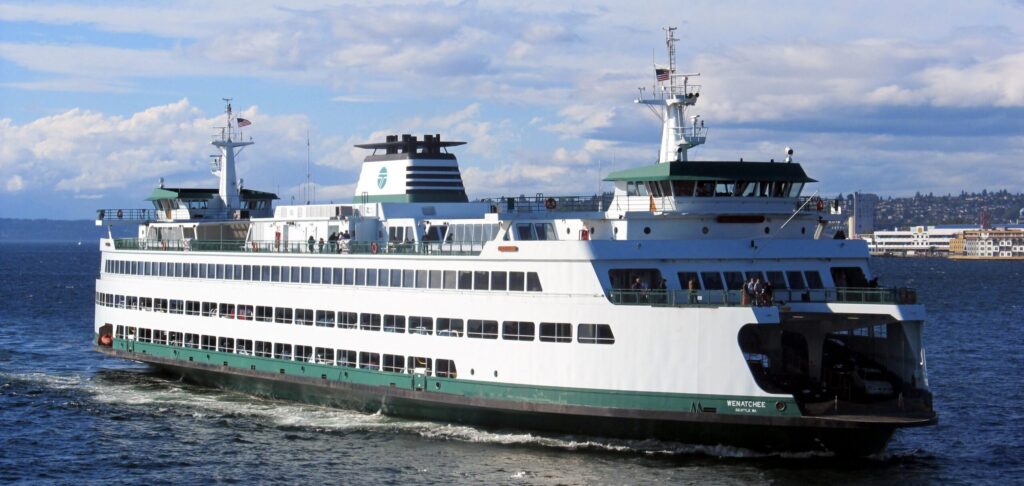
It was a Tuesday morning, I wasn’t thinking about Greece.
I was sitting near the old harbour in Dubrovnik, on a low wall that had been warm for an hour already, watching the water move against the stone below. The sound was small and constant — a soft collapse, a retreat, another collapse — the same rhythm I had heard against the fondamente in Venice and against the harbour wall in Rovinj. The water did not know it had crossed a border twice since then, I didn’t know I will be crossing it again.
I had been along this coast for weeks now. I had named every place I had been. Venice. Rovinj. Plitvice. Dubrovnik. Italian names, Croatian names, each one carrying its own weight, its own architecture, its own version of what a city means. I had described each carefully and been surprised by each differently.
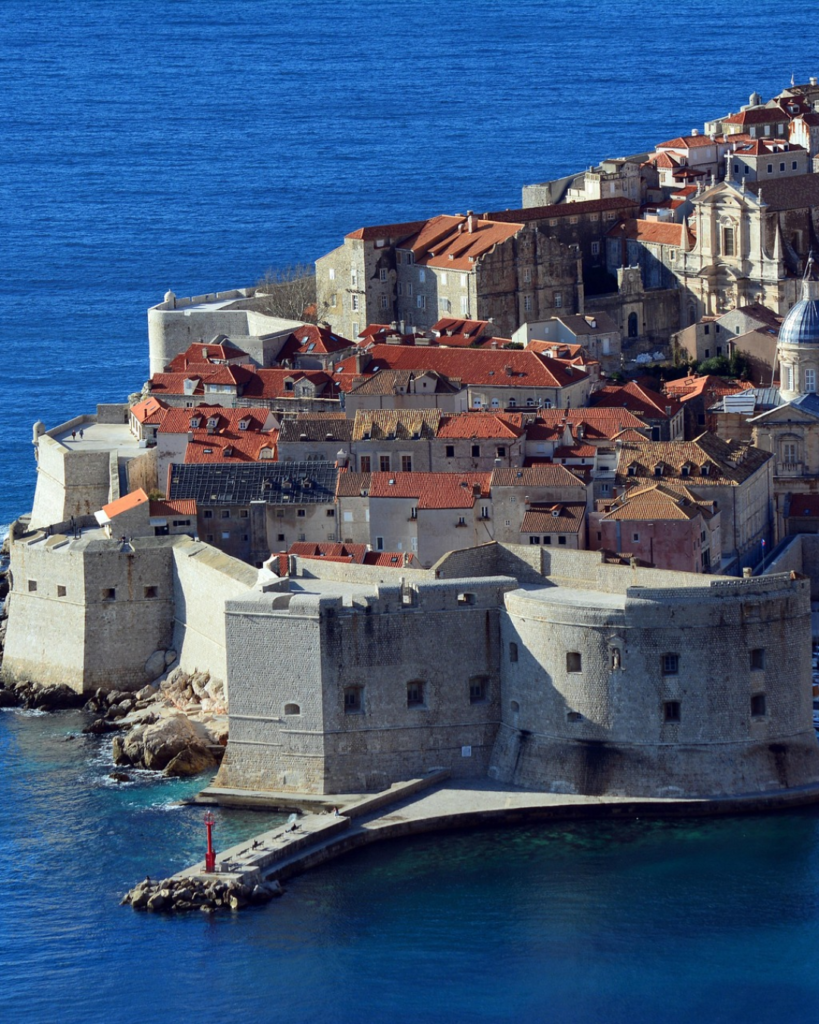
The water had done none of this. It had moved from lagoon to open sea to harbour to harbour without changing once. The Adriatic was the Adriatic was the Adriatic. It did not carry names. People standing on different stretches of coastline had given it different names, and the water had ignored all of them with perfect patience.
I noticed this in the way you notice something that has been true for a long time and only becomes visible when you stop moving.
The sea continued south from where I was sitting. Past the islands, past the coast of Montenegro, past Albania, into a body of water that people at some point decided to call the Ionian. Then further, through a strait, into another body of water that was named the Aegean. These were human distinctions drawn across a single continuous thing. The water did not pause at the boundaries. It never had.
I had been travelling along the surface of something that was older than every place I had visited. The cities were built on its edge. The names were given by people who stood on those edges and needed words for what they saw. But the thing itself — the actual sea — had been there before the names and would remain after them.
The oldest names for this water were from Greece.
Not the oldest water. The oldest names. The first people to look at this sea and build a vocabulary precise enough to distinguish what they saw — wine-dark, grey-eyed, rosy-fingered — had done so in Greek, on coastlines I had not yet reached.
I did not think about it in the way I would think about it for someone else. I did not weigh distances or seasons or check departure schedules. I sat on the warm wall and listened to the water repeat its small sound against the stone, and the recognition arrived quietly, the way it does.
Greece
The place where the naming began. Not the place where the sea began — the sea has no beginning — but the place where someone first stood at the edge of it and tried to say what they saw. I wanted to stand there too. Not to describe it better. Just to hear what it sounded like from where they had been standing.
The harbour was filling with the sounds of a town beginning its morning. Ropes. Engines. A voice across the water saying something I could not quite hear.
I finished my coffee.
I walked to the port office.
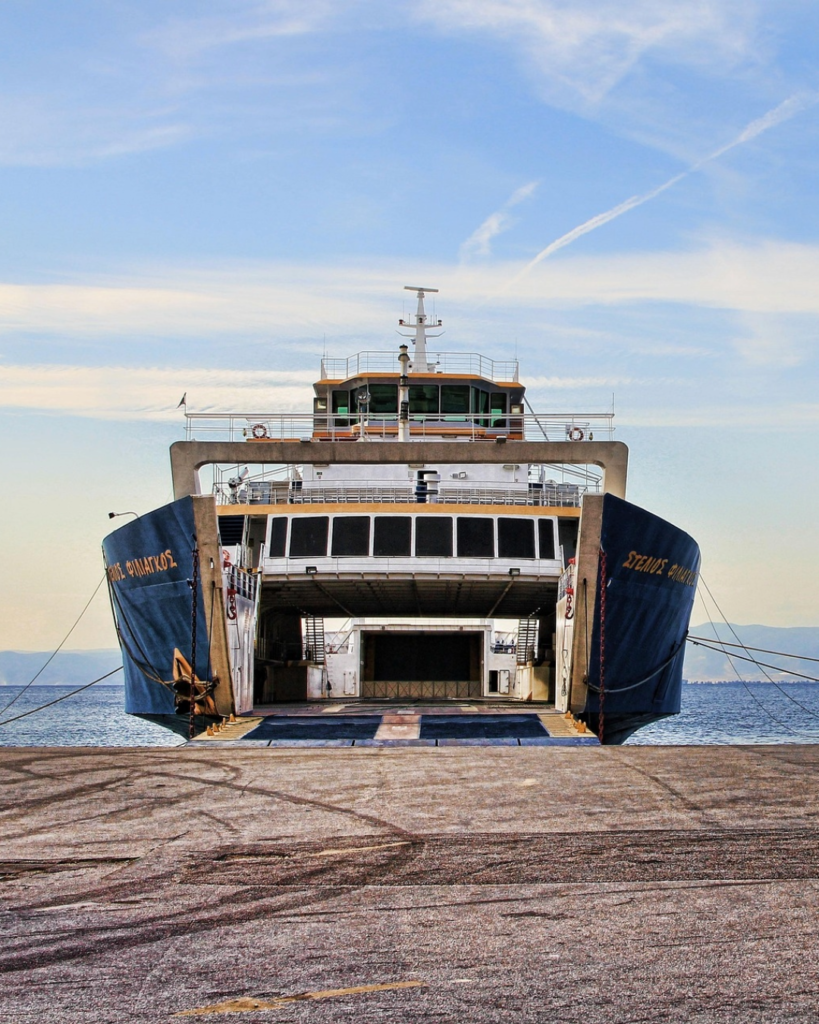
I asked about ferries heading south.
🔍 Related GoBeyondia Journeys Across Greece
- 🇬🇷 Greece — Where Myths Dance With Hypnotic Waves
- Greece: Athens to Santorini & Crete — Across the Aegean
- Beyond the Blue: Unlock the Ultimate Sacred Secrets of the Greece Islands
- The World Before the Word — Greece

Beyondia
Trusted Travel CompanionReal digital nomad. I travel. I learn. I grow.
What about you? Where are you going?